
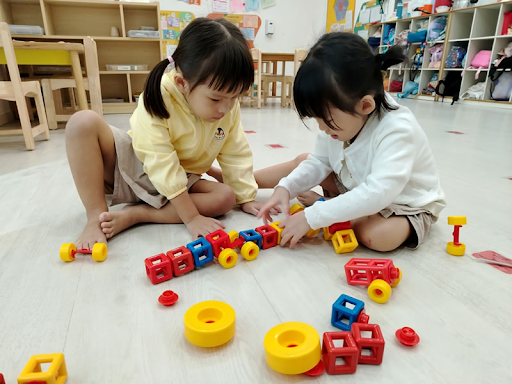
The first day of nursery class is a big step for both children and parents. It often brings a mix of emotions: excitement, pride, worry, and sometimes a little sadness too. For a young child, nursery school can feel like a completely new world filled with unfamiliar faces, different routines, new sensory experiences. For parents, it can be just as emotional watching their child take that first step towards independence.
That is why preparation matters, from small, thoughtful steps taken before the first day arrives. When children feel secure, know what to expect, and have some confidence in simple routines, the transition becomes far less overwhelming.
Here are five practical ways to make the first day smoother for your child and you.
1. Start Talking About Nursery Early
Young children cope better with new experiences when they are introduced gradually. If nursery is only mentioned a few days before it starts, it can feel sudden and unsettling. Talking about it early gives your child time to get used to the idea.
Keep the conversation simple and reassuring. Talk about what a nursery might be like, meeting teachers, listening to stories, playing with other children, having snacks, singing songs, and joining activities. The more familiar it sounds, the less intimidating it feels.
Just as importantly, make space for your child’s feelings. Some children ask lots of questions. Others become clingy or quiet. Instead of brushing this aside, acknowledge it calmly. A child who feels heard is more likely to feel secure. Your tone matters too. When you speak positively and confidently about nursery, your child begins to see it as a safe next step.
2. Visit the School and Make It Familiar
Children often settle better when a new place does not feel completely unknown. If possible, visit the nursery before the first day. Let your child see the classroom, the play area and the teachers who will be caring for them. Even one visit can make a meaningful difference.
What seems ordinary to an adult can feel enormous to a child. Seeing where their bag will go, where they will sit, or where they will wash their hands helps make the experience more real and less uncertain. It gives them a picture of what to expect.
You can continue this familiarisation at home too. Talk about the teacher’s name, mention the play corner they saw, or remind them of something they liked during the visit. These small reminders help build a bridge between home and school.
This is also where the environment matters. A nursery should feel warm, calm, and purposeful. At Cambridge Pre-school, children are welcomed into a setting designed to help them feel comfortable and engaged from the start. That sense of belonging can make a real difference in how confidently a child begins.
3. Practice Independence in Everyday Routines
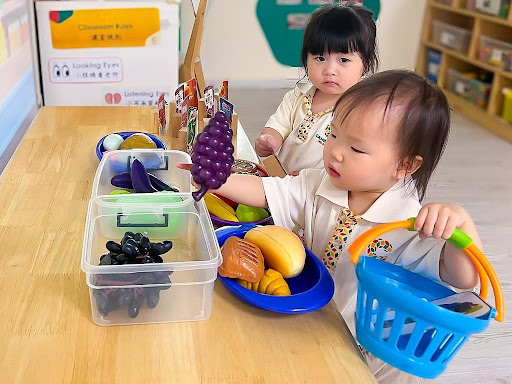
No child needs to arrive at nursery fully independent. But helping them practice a few simple self-help skills can make the first days much easier.
Start with everyday habits such as washing hands, feeding themselves, putting on shoes, packing away toys, or recognising their own belongings. These may seem like small things, but they help children feel capable. When a child begins to think, “I can do this,” they are often more confident in unfamiliar situations as well.
That is why strong early years education places real value on independence. More than a practical benefit, it gives children opportunities to build confidence and a growing sense of responsibility in age-appropriate ways.
At home, this may mean allowing a little more time and patience. It may be slower and messier but giving your child space to try is one of the best ways to prepare them.
4. Ease into the Nursery Routine Before Day One
Sometimes the hardest part of starting nursery is not the classroom itself, but the sudden change in daily rhythm. Waking up earlier, getting dressed on time, eating breakfast before leaving, and moving through a more structured morning can all feel difficult if they are brand new.
A helpful way to reduce stress is to begin that routine early. A week or so before nursery starts, adjust bedtime and wake-up time gradually. Practice getting dressed, having breakfast at a regular time, and following the same calm sequence each morning.
Children find comfort in predictability. A familiar routine helps them understand what comes next and makes the day feel more manageable. Even a simple morning ritual can help, whether that is a cuddle, a special goodbye phrase, or carrying their own bag to the door. These small patterns give children something steady to hold onto.
5. Prepare for Separation With Calm Confidence
For many families, the most difficult moment is the goodbye. Even children who are curious about nursery may find separation hard when the moment actually comes. That does not mean they are not ready. It simply means the attachment to home is strong, which is healthy and natural.
Before nursery starts, it can help to practice short separations with a trusted grandparent, relative, or caregiver. This helps your child learn that you can leave and return, and that they can be safe and settled with other caring adults.
On the first day itself, try to keep your goodbye warm but clear. Long, uncertain departures often make things harder. Children are very sensitive to adult emotions. When we look anxious, they often feel more anxious too.
Final Thoughts
The first day of nursery class will always feel significant, and it is meant to. But with patience, preparation, and the right environment, it can become a positive beginning rather than a stressful one.
At Cambridge Pre-School, we understand how important this transition is for families. We focus on helping each child feel safe, settled, and ready to take on this new stage. Our supportive environment gives children the reassurance, familiarity, and encouragement they need to adjust well and grow in independence.
Contact us today to find out how we can help your child begin nursery with confidence.