I was a late developer. I was a mediocre child in primary school. It wasn’t until secondary school that I realised I could improve if I put in some effort. I only started excelling in college and did well enough to be accepted by Harvard to pursue my Ph.D.
I observed something interesting along the way. Most of my classmates who did well in primary school sizzled out in secondary school. Similarly, many who were top children in secondary school did not do as well in college. Based on this observation, I see an academic career as a long-distance race and not a sprint. Those who peak too early may not have the stamina to win, or even complete, the race in the end.
It’s important for our children to achieve balance in their education, ensuring they are well-prepared and confident in their abilities without feeling the pressure to always be the best in class. My own journey, from being a top child in college to facing the intense competition at Harvard, taught me valuable lessons about the challenges of maintaining one’s confidence among equally talented peers. This experience highlighted the importance of resilience and the potential consequences of extreme pressure, such as burnout or more severe reactions, which some may face when transitioning from being a standout child to one among many high achievers.
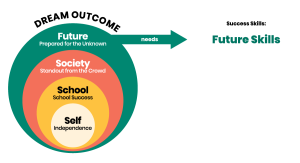
This has shaped my educational philosophy for my children: helping them to be competent and self-assured learners, without the stress of needing to be at the top of their class. I believe in fostering an environment where they can excel at their own pace, preparing them not just academically, but also to be distinctive and valued members of society. Thus, my ideal educational setting for my children would prioritise their holistic development, ensuring they are:
- Independent (not overly dependent on adults and maids to do everything for them)
- Competent and confident in their academic abilities (without the necessity of being the top child)
- Poised to make a unique contribution and be acknowledged in their community and beyond (to be recognised by their peers)
- Prepared for the future full of unknowns (and survive, come what may)
I will continue illustrating the second point in Chapter 2 on Self-help Skills, the third point in Chapter 4 on People Skills, and the fourth point in Chapter 5 on Future Skills.
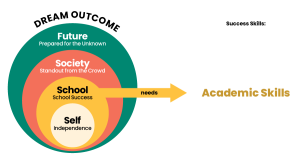
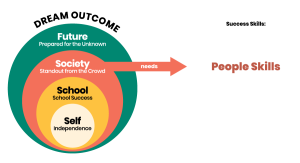
Dream Outcome
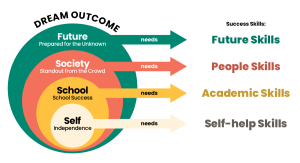
I have summarised here my selection criteria for my pre-school dream outcome:
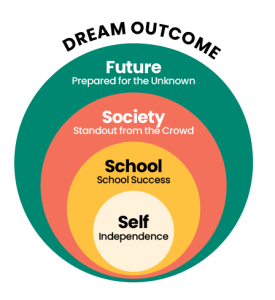
Cambridge pre-schools are designed and developed based on this dream outcome. My children graduated from a Cambridge pre-school; I walk the talk.
Skills Required for the Dream Outcome
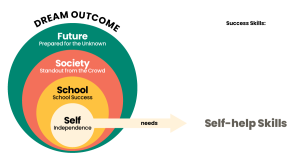
To achieve this dream outcome, we need:
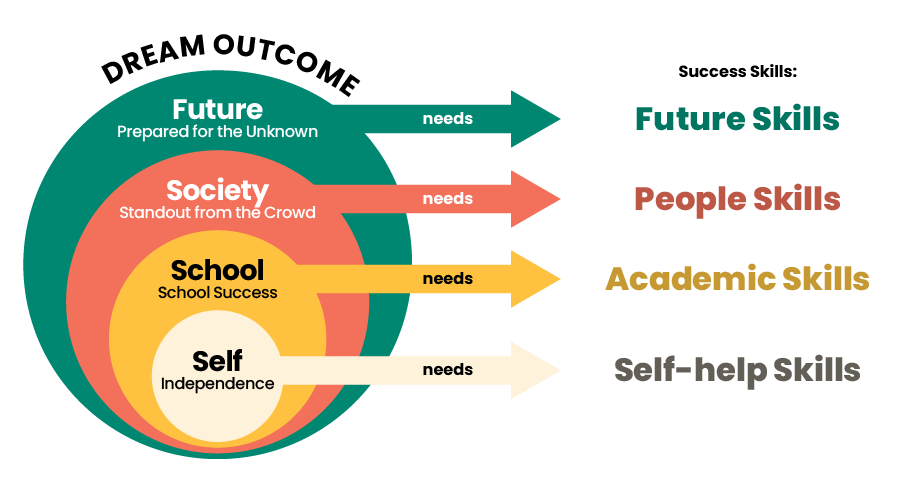
We will now discuss each skill in sequence in the following chapters.
My Story Continues
I had a great mum who took care of me and my two younger brothers. Because she was quite traditional, she wanted us to just focus on our studies and she took care of everything else. As a result, I did not learn many self-help skills; you can say that I had a pampered life.
I believe one consequence of this is that I become a very messy person. My table and drawers were always a mess because someone else was always picking up after me. I lacked the skills and practise to organise things.
You may think the impact was limited to my childhood years, but it had far-ranging consequences as illustrated by this story from when I was 21 years old.
When I was at Harvard, I lived in the dorm. One day, my aunt from Boston invited me for dinner. Afterward, she gave me some fruits and a frozen chicken to bring back. Since I didn’t know how to cook, I called my mum. She told me to wash it, season it with salt and pepper, and put it in the oven to roast it. I then cooked rice and looked forward to my dinner. However, the chicken turned out way too salty and dry. I couldn’t eat it and went out for dinner instead. I attributed this to my poor cooking skills and forgot about this incident. Two weeks later my mum was talking to my aunt over the phone and complained that she should not give me raw chicken as I don’t know how to cook. My aunt replied: “What raw chicken. It’s already cooked!” In my defence, I must say my aunt’s cooking was not that great and the frozen albino-looking whole chicken looked raw to me.
In Singapore today, many families only have one child, making them more precious. Furthermore, many families also have a maid. So knowingly or unknowingly, we tend to over-pamper our children. It is important for us to consciously provide opportunities for them to do household chores so that they not only pick up these important life skills but also not take things for granted. Some of you may remember the news article some years back that showed a national services man with a maid carrying his army backpack!
Practical Life Skills
At Cambridge, we focus on teaching self-help skills through our practical life skills programme, which starts with toddlers. We want to empower children to become confident, capable, and independent individuals who are well-equipped to navigate the world around them. These skills lay the foundation for future success and promote a sense of autonomy, competence, self-reliance and self-esteem.
The core belief of our practical life skills programme is that one needs to independently perform daily life activities and adapt and orientate oneself in society. We recognise that developing independence is a gradual process that takes time and practice. Therefore, practical life skills are incorporated into our daily routine in school. The children are given age-appropriate responsibilities and classroom chores to help them develop a sense of ownership and accountability. We focus on three main areas:
- Good manners by developing social etiquette (e.g. turn taking and sharing), social manners (e.g. social greetings), and respect for others (e.g. listening attentively and seeking permission to use materials)
- Care of self by nurturing independence (e.g. taking care of belongings, completing tasks-at-hand), self-help skills (e.g. feeding, dressing and combing hair), and good habits to ensure good health (e.g. healthy eating and proper toothbrushing), hygiene (e.g. washing hands before and after eating), and safety (e.g. safe use of cissors and on the playground)
- Care of environment by cultivating a responsibility for the environment (e.g. putting away toys and throwing away rubbish)
Parents can support this development at home. Harvard research shows that if you want to raise more successful and happier kids, give them chores starting at age 4 or 5 years old.
Research from the ongoing 85-year Harvard study highlights a notable correlation between childhood involvement in household chores and future professional accomplishments. Examining more than 700 high achievers, researchers found that those who participated in household tasks tended to exhibit greater success in their careers later in life. This suggests that engaging in chores during childhood may instill valuable qualities that contribute to professional success, such as responsibility and a strong work ethic.
Moreover, involvement in shared responsibilities within the family structure fosters a sense of belonging and empathy in children. By understanding the needs of others and contributing to the household, children develop a broader perspective and become less self-centred. This not only benefits their personal development but also enhances their willingness to help others and collaborate effectively in professional settings later in life.
Mother Tongue
One of the biggest worries of parents is that children know their mother tongue. As the name suggests, the mother tongue should come naturally if it is spoken at home.
Young children can pick up any language of the world if they are provided with enough exposure to a language. Unfortunately, in Singapore, more families are speaking English at home and children lack the mother tongue environment to master Chinese. Because of synaptic pruning, once children miss learning their mother tongue during the pre-school period, no amount of study later can make up for it.
This is something we can avoid by providing a Chinese immersion environment at our Cambridge Pre-school. We have seen so many children from English-speaking homes picking up Mandarin effortlessly, saving themselves and their parents years of anxiety, tuition fees, and migration considerations later.
Besides verbal communication, we also have a very strong programme to help children master Chinese characters.
Chinese Rapid Word Recognition (CRWR)
Unlike English (a phonetic language), Chinese is a pictorial language. A new and effective method of rapid word recognition is to introduce Chinese words by families of related shapes and roots instead of teaching discrete words one at a time. Children learn a group of words, which is further enhanced with “rhymes and stories”. Each family of words is knit together into a rhyming short story, which facilitates both the speed and retention of learning. The stories are then animated to make learning more fun and the meanings even clearer.
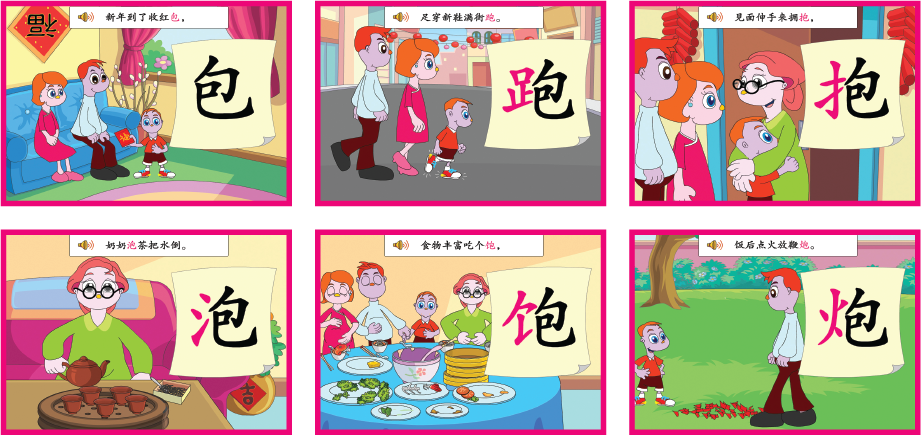
This programme is also designed based on Multiple Intelligences (MI) principles (see MI section in Chapter 3). Children with different MI profiles may prefer to sing and dance to these rhymes. Our CRWR programme is so effective that more than 10,000 children in our China pre-schools use it to recognise Chinese characters.
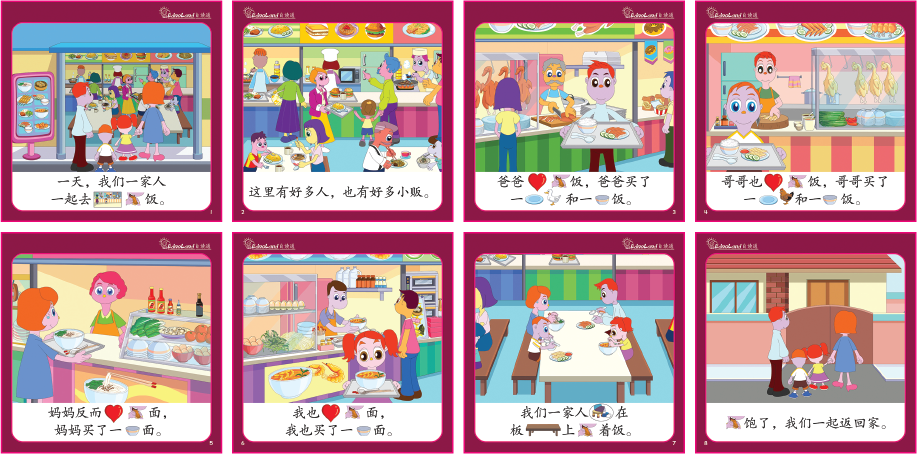
Our CRWR programme is accompanied by our Chinese Step Readers, which is a series of 36 sequenced books that help children apply their newly learn t word recognition skills to achieve independent reading.
AI Chinese
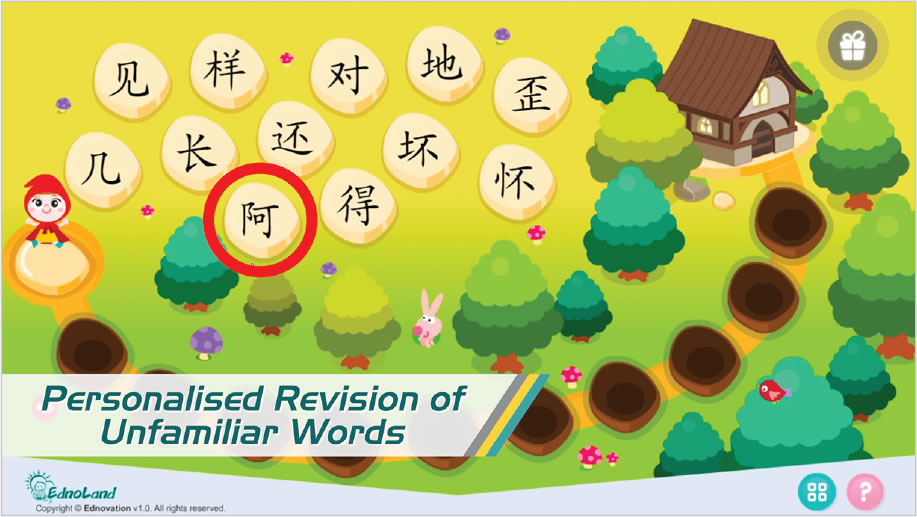
Our CRWR programme is very effective in helping children recognise Chinese characters. However, recognising a word learnt today does not mean a child will remember it later. How do we enhance long-term memory retention? This is where our AI Chinese complements our CRWR programme. AI Chinese effectively tracks the words that each child needs to study, as illustrated by the graph below.
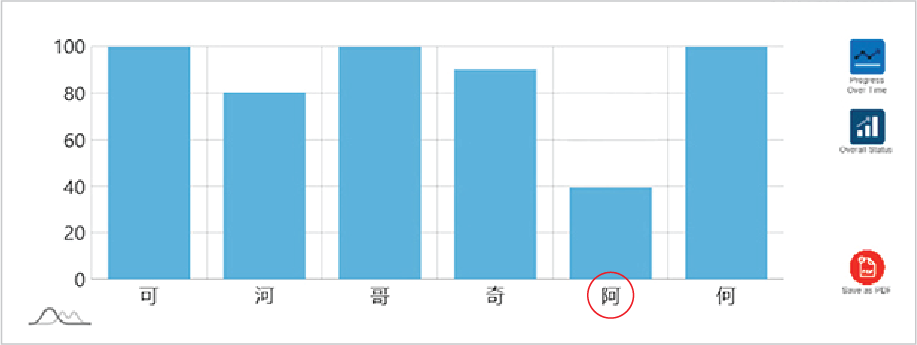
AI Chinese will periodically and systematically present these specific words to the specific child to review. This personalised system means each child will have his or her unique list of unfamiliar words to master through fun games.
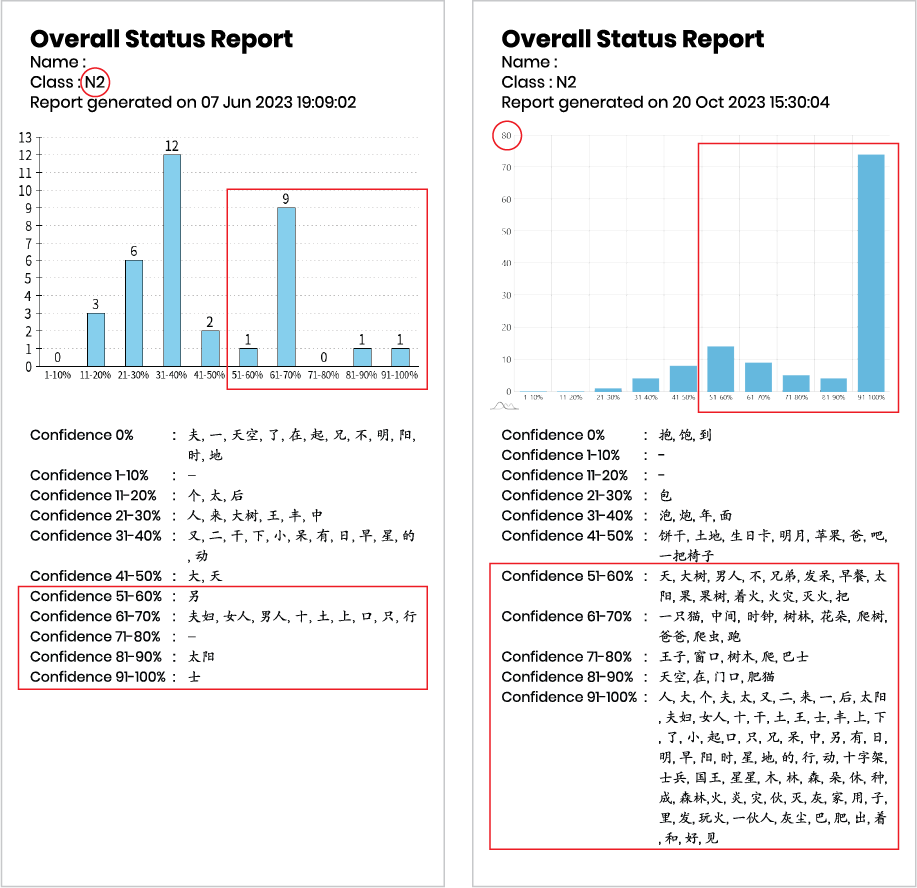
Through repetition, over time, these words will be moved into a child’s long-term memory. These reports show children improve their Chinese word recognition tremendously even at four years old. The report on the left is dated 7 June showing this child knows 12 words with a greater than 50% score. The report on the right is dated five months later showing the child now knows 106 words with a greater than 50% score.
Progress of a non-Chinese K2 (6 years old) child over 5 months.
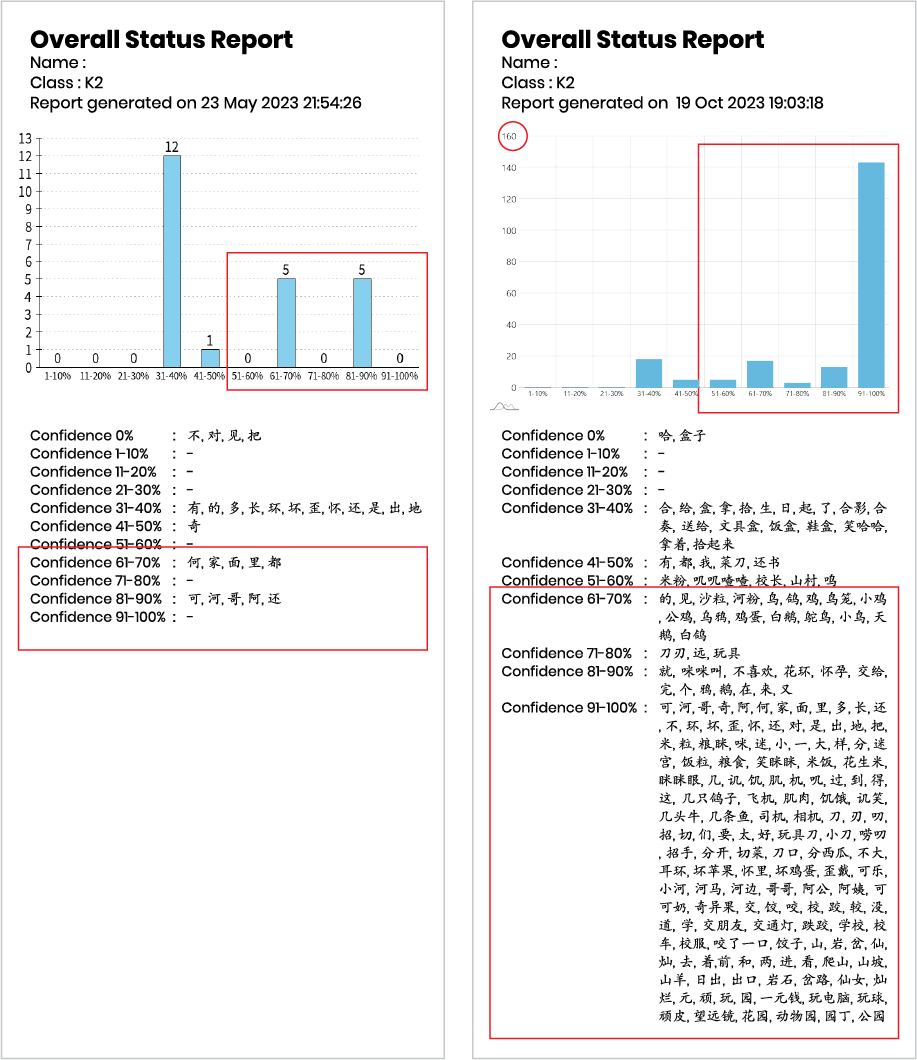
With AI Chinese, children will have a head start and can master more than 50% of the Singapore Primary 1 Chinese vocabulary while having fun. The advantage of AI Chinese is that parents and teachers know exactly what words each child knows.
English
All pre-schools teach phonics and reading. At Cambridge, we go beyond the basics. We want pre-schoolers to do more than be able to read. In our Literature Alive Curriculum, we cultivate a deep appreciation for the English language and ignite creativity and self-expression in children.
We introduce them to different genres of literature and nurture literary growth with enriching vocabulary and different language skills. As we explore beloved classics by famous authors, we encourage creative writing, thoughtful reflections, dynamic discussions and imaginative role-play.
As children progress through K2, we also expose them to a diverse range of poetic styles and provide opportunities for them to write poetry. This further immerses children in language exploration and creative expression. As they are exposed to these forms of literature, children get to explore new worlds, encounter extraordinary creatures and embark on thrilling adventures – all of which stimulate the imagination and foster a sense of wonder and curiosity.
Furthermore, instead of just reading stories written by others, our children are creating original stories using generative AI tools such as ChatGPT and DALL-E (a picture-generating AI) to produce stories complete with illustrations. Our children are leveraging the use of AI to unleash their creativity and develop their higher-order cognitive skills to prepare them for the future of school and work.
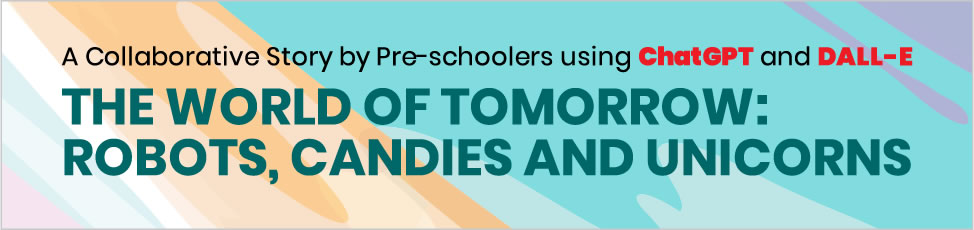
Children worked as a small group, using ChatGPT, to produce this story. They took turns writing the story on alternate pages. The storyline on page one was written by ChatGPT, using the text prompt listed in the lower left-hand corner. Based on the storyline, children drew some of the items such as flying cars, candies, and a unicorn. Children also used DALL-E to help them complete the illustration in the middle of the page with the prompt in the lower right-hand corner.
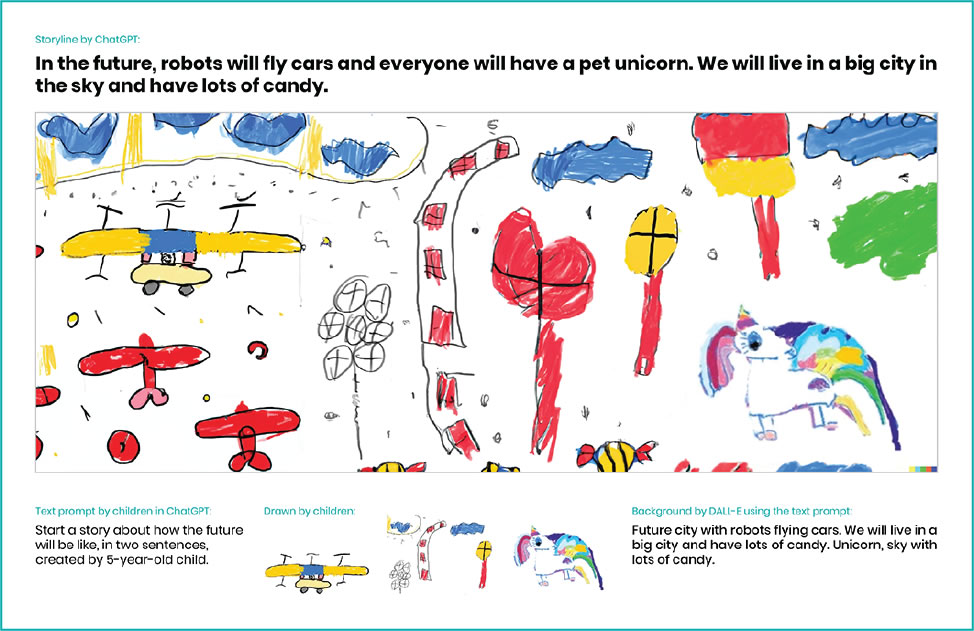
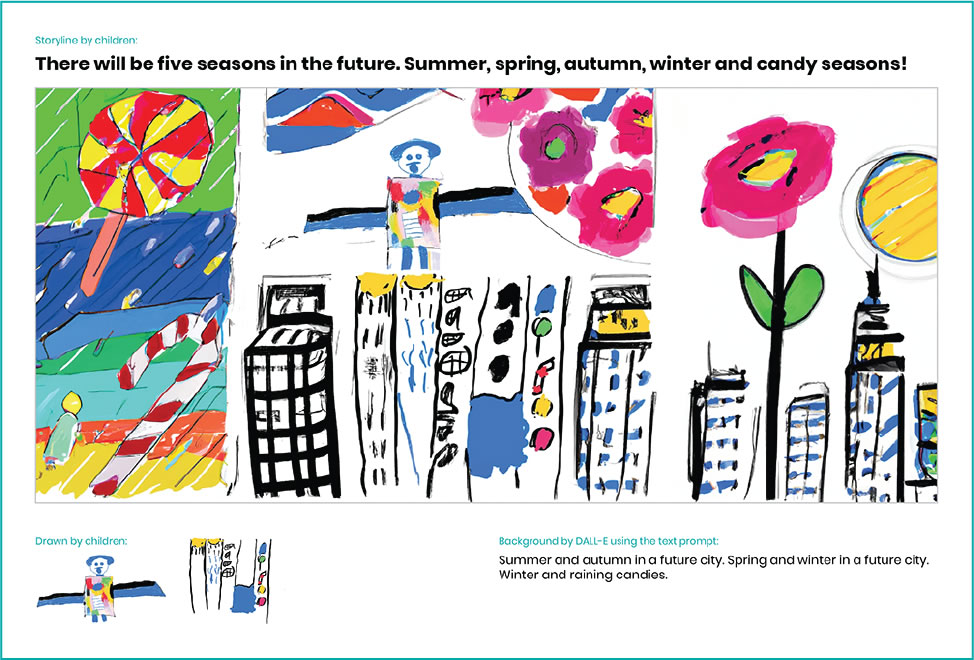
The story has many pages but I would like to highlight one of the pages written by children here.
“There will be five seasons in the future.
Summer, spring, autumn, winter and candy seasons!”
How creative!
In the process of doing these projects, we realised that it is difficult for young children to use ChatGPT because it requires typing and spelling. As a result, we built Edno.ai, our version of ChatGPT that incorporates interaction through speech. To ensure responses are age-appropriate, we also limit the age selection up to 7 years old.
Maths
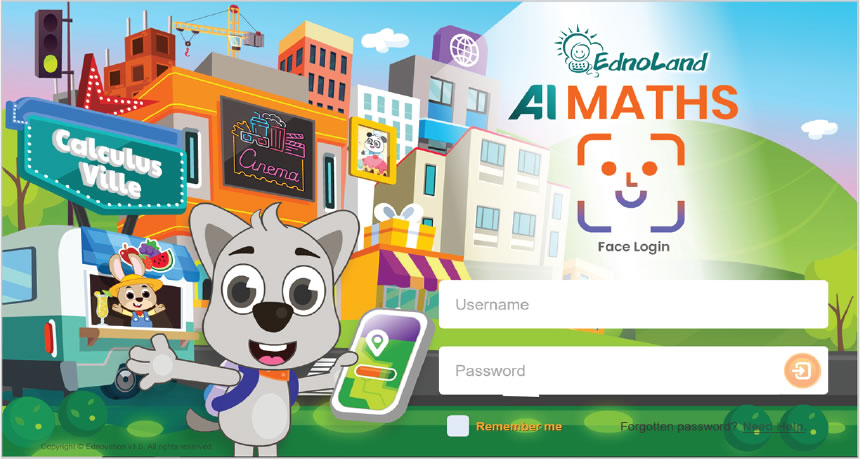
At Cambridge, we also make maths practice fun with AI Maths, which serves as the children’s personal tutor, helping to pinpoint specific areas that require further practice and study. Games make studying even more fun.
Science
Besides English, Mother Tongue, and Maths, Science is the other core subject in primary school. Many children do not like science because they do not understand it. Often it is because it was not taught properly. All of us have experienced how a good teacher makes a subject come alive. Our Cambridge iSTEAM programme is designed to make science interesting with easy-to-understand concepts that ignite the children’s interests as well as lots of hands-on experiments to make science come alive. By making the first encounter of science fun, we lay the foundation for a positive primary school science experience. In the iSTEAM section in Chapter 4 later, you will see examples of how we accomplish this.
Direct School Admission (DSA)
Worried about the Primary School Leaving Examination (PSLE)? Do you know that your child can be admitted to a secondary school purely based on his or her talents? DSA allows P6 children to apply to some secondary schools before taking the PSLE. P6 children can apply for DSA-Sec based
on a wide range of talents, including:
- Science, mathematics and engineering (STEAM, Cambridge’s specialty)
- Sports and games
- Visual, literary and performing arts
- Debate and public speaking
- Languages and humanities
- Uniformed groups
- Leadership
Even though MOE schools’ Co-Curricular Activities (CCA) are supposed to be interest-based and develop your child’s talents, the reality is many popular CCAs have long waiting lists, and selection is now based on competency in the CCA area.
Starting your child young in Cambridge’s iSTEAM (innovation, Science, Technology, Engineering, Arts, Maths) curriculum may help to develop his or her interest early and give your child an edge in CCA selection and DSA later in science, mathematics, and engineering.
Furthermore, as we shall see later in the section on Multiple Intelligences, at Cambridge, we also provide opportunities to help your child discover other talents early so they can be nurtured. Keeping your options open is a good strategy for an unknown future. At Cambridge, we help to keep your child’s options open.
My Story Continues
Growing up and throughout my academic journey, including my time at Harvard, I was deeply focused on academics, often overlooking the value of practical life skills.
It wasn’t until I entered the workforce, started my own business, and began managing teams that I truly understood the importance of people skills. These skills, which include empathy, effective communication, and the ability to foster positive relationships, became crucial in my interactions and business dealings, especially in cultures where personal connections, like “guanxi” in China, are vital. My experiences taught me to value and improve my listening skills, taking into account others’ insights and perspectives.
Furthermore, in the future, when much of our cognitive skills can be delegated to AI, our people skills become even more important. For this reason, our Cambridge curriculum emphasises the cultivation of people skills as we will see in this chapter.
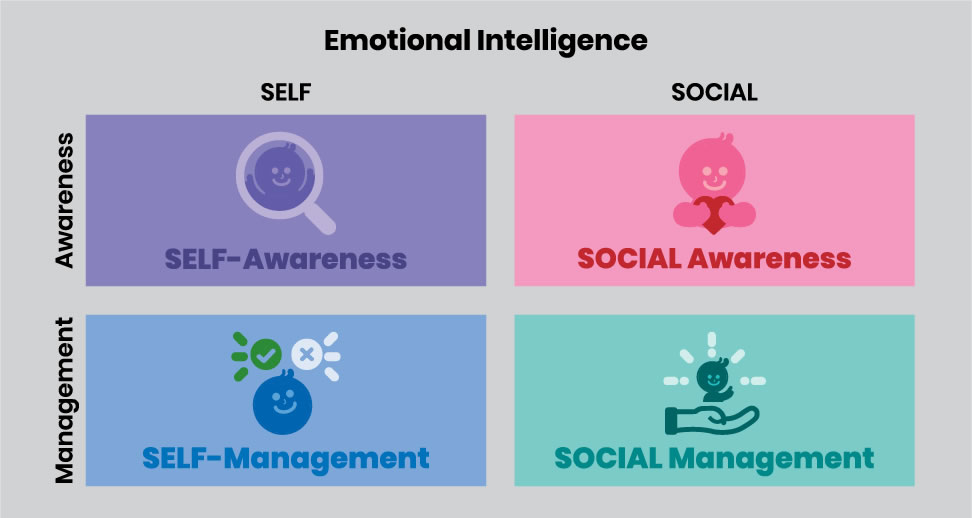
EQ consists of awareness of self and others as well as regulation of self and others.
Emotional intelligence (EQ) is the ability to understand and manage our emotions and those of others. It involves self-awareness, self-regulation, social awareness, and relationship management. EQ is crucial because it helps us navigate social complexities, lead effectively, and maintain healthy relationships. In the realm of business and personal interactions, emotional responses often have a greater impact than logical arguments. Recognising the importance of EQ, our curriculum at Cambridge is designed to enhance these skills through engaging stories, social activities, teacher modeling, and involvement in charitable efforts.
Develop Executive Function (EF)
Executive function (EF) refers to a set of cognitive processes that regulate our thoughts and actions, enabling goal-directed behaviour. These include skills like self-control, working memory (holding information in mind for short periods), mental flexibility (adapting to new information), focused attention, and planning. EF is critical for academic success and daily life management.
Self-Control
One key component of EF is self-control, which is the ability to regulate our impulses and delay gratification for long-term gains. The famous Marshmallow Test by Stanford University psychologist Walter Mischel demonstrated this: children who could resist eating a marshmallow immediately in favour of getting two marshmallows 15 minutes later showed better life outcomes in adulthood, including higher academic scores, healthier lifestyles, and greater wealth. This illustrates the profound impact of self-control on future success.
This is not difficult to understand.
Children with better self-control, such as studying first and playing after, achieve better academic outcomes, secure higher-paying jobs, save and invest more, and become wealthier.
Children with better self-control, eat more nutritious food, consume less junk food, drink less, exercise more, and become healthier.
Because children with better self-control become healthier and wealthier, they are also more satisfied with life.
At Cambridge, we prioritise activities that enhance EF, including games and exercises that challenge children to practise self-control, focus, and flexible thinking. These activities are designed to be enjoyable and engaging, fostering essential life skills in a supportive environment.
EF Assessment
Appropriate development of Executive Functions (EF), including self-control, focused attention, and working memory, is crucial for children’s readiness to learn. Challenges in EF are linked to various conditions like ADHD and autism, but the good news is that EF skills can
be enhanced through targeted practice and supportive environments.
I possess good EF and self-control, therefore I successfully delayed gratification to pursue my Ph.D., which took 6 years. Hence, I never suspected that my son would have ADHD. He was only diagnosed in primary 5 when one of his teachers raised this possibility.
Therefore, at Cambridge, we are doing EF assessment for early screening and early intervention.
One of the assessment tests asks children to sort items by shapes or colours. For example, a child may be given an orange lion card and asked to match only the shape. He must learn to ignore the colour and focus on the shape, which requires self-control.
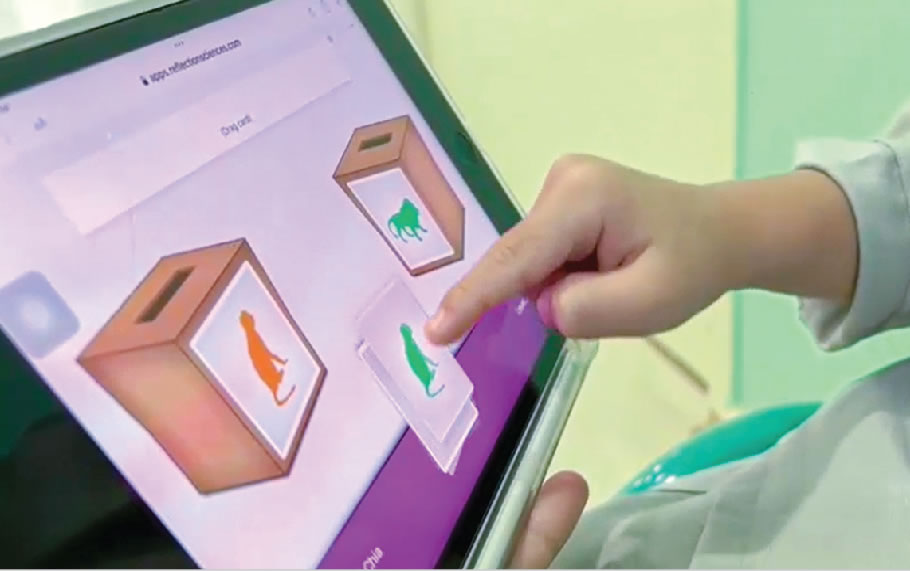
It is harder than you think when you watch this video.
Due to its importance, EF training and assessments are regularly conducted at Cambridge. The assessment screens children to ensure they have the basic EF skills in place and are ready to learn. If not, it allows more time for early intervention.
Character Development
We believe in cultivating not just academic readiness but also essential life skills, good habits and moral values that form the foundation for success and happiness in life. Our character development curriculum is infused with core values such as empathy, respect, kindness, courage, resilience, honesty and an appreciation for differences as they embrace their own uniqueness and individuality. Through a blend of interactive activities and meaningful experiences such as stories, songs, games and role-playing, the children learn to understand, internalise and practise these values in their daily lives.
The development of good habits is fostered from toddler age to set a strong foundation, as learning and reinforcing of habits consistently become ingrained over time. Through positive social skill development, the children learn how to cooperate, share, take turns, and eventually learn to resolve conflicts peacefully.
Talent Discovery
Nurturing children’s natural abilities during early sensitivity periods is crucial for their full development. It’s not always easy to identify a child’s talents, but exposing him or her to a variety of experiences can help. The Theory of Multiple Intelligences by Harvard University Professor Howard Gardner highlights the diversity in human intelligence, ranging from linguistic (word smart) to interpersonal (people smart) skills. Our curriculum incorporates activities across these intelligences to help children discover and grow their unique talents.
It’s beneficial for children to explore various interests, even if they move on from one to another. This exploration is key to finding a passion they’re willing to invest in. Given the future importance of soft skills and individual talents, early years are the best time for development, before the pressures of academic life increase. This approach allows children to develop a well-rounded set of skills and interests, laying a strong foundation for their future.
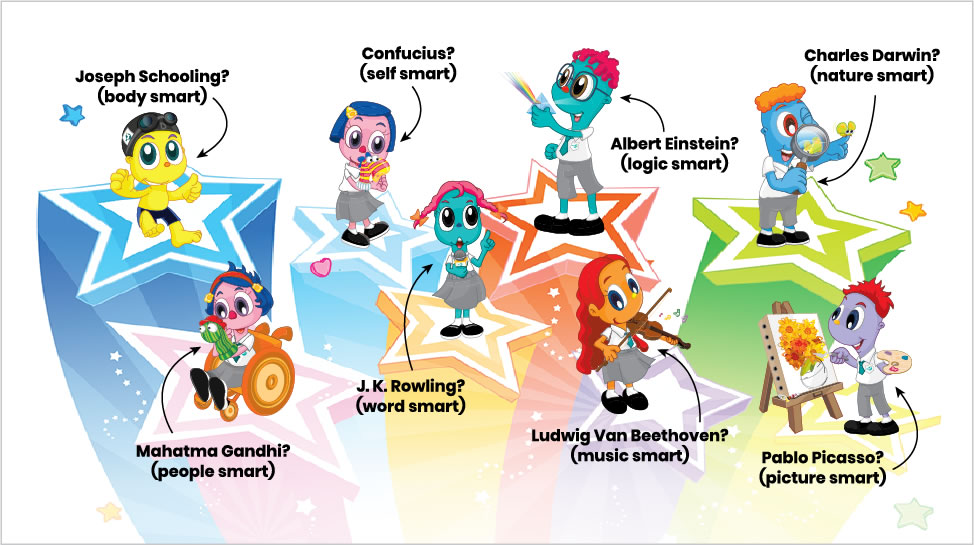
I chanced upon my first passion when I was 13 years old while browsing library books. I was fascinated by a book on Project Apollo to send men to the moon. The book was in English and at that time I was still in Hong Kong with very limited English language ability. Yet, that did not stop me from finding out everything about how a rocket works and how to send men to the moon. Because of this, I wanted to study aerospace engineering. Since my college did not offer this subject, I majored in physics instead. From my own experience, I strongly believe in exposing children to different things to hopefully help them find their passion. Believe me, when you find your passion, it really drives you.
I was hit by another passion in 2018. This time it was AI. This was way before ChatGPT’s debut in Nov 2022. I was so intrigued by AI that I attended a course on it in 2019. Then, in 2021, during COVID, I attended a Deep Learning Coursera online course, taught by the legendary Stanford AI guru, Professor Andrew Ng.
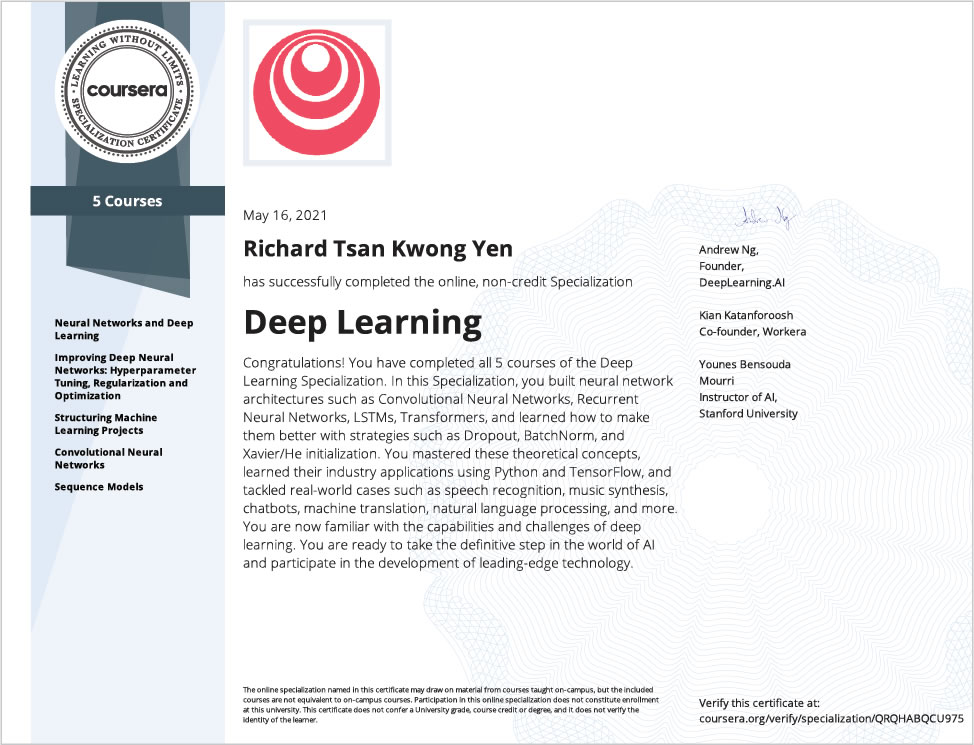
This passion resulted in our development of AI Chinese, AI Maths, and AI English, all of which are now being used at Cambridge. We also developed AI Oral Chinese with more to come.
My firsthand experience again shows the importance of finding your passion and developing your talent. This can really make a difference.
My Story Continues
I had the opportunity to work in Silicon Valley, the high-tech mecca. I worked at both a startup and also for a corporate venture capital firm. I saw both failures and successes on the Nasdaq. Here are a few valuable lessons I learnt:
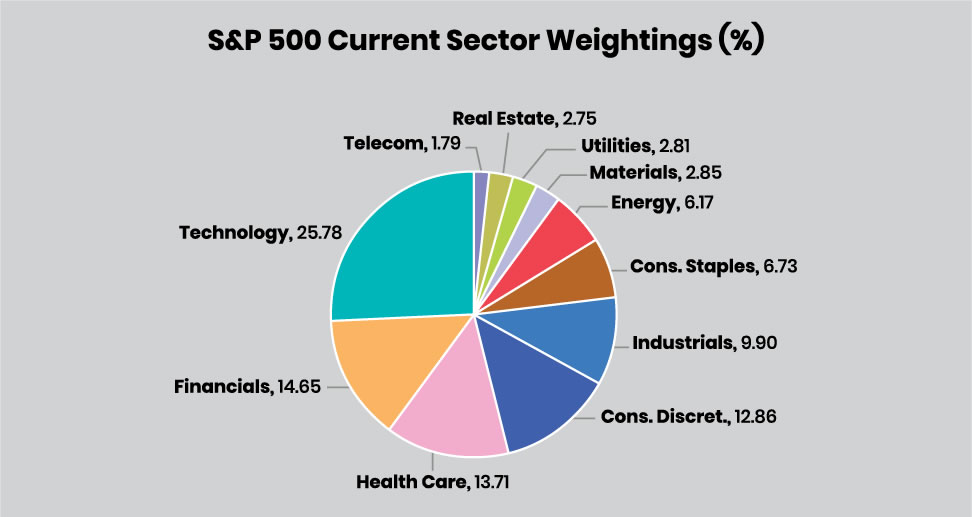
For one, I realised how important tech is. The S&P 500 currently allocates 25.78% of its weight to tech stocks, more than financial services, health care, and any other sector. In fact, today, all businesses are technology-dependent. We simply cannot ignore tech. Eight out of the top ten billionaires in the world are tech founders. These percentages will only increase in the future.
I studied, lived, and worked in the U.S. for 14 years, and I still visit every year. I have seen the decline of America. However, it is still the number one economy despite all its problems because it is leading the world in tech and innovation. If tech and innovation are so important for the number one economy, it cannot be less important for your child and your child’s future.
Another thing that struck me is the importance of early exposure to tech. Bill Gates, Steve Jobs, Elon Musk, Sam Altman, and many successful tech entrepreneurs had early exposure to technology.
Because of synaptic pruning, exposing your child early to tech gives your child many advantages. Do you want to keep the option open for your child to build the next tech unicorn?
Even if you do not agree that technology is that important, the reality is that science is the fourth major subject in primary school alongside English, Mother Tongue, and Maths. Its importance cannot be ignored. In fact, your child can gain direct admission to a secondary school independent of his or her PSLE score if he or she excels in science, mathematics, or engineering, the STEAM subjects.
However, it’s important to note that it’s not just a matter of early exposure to science and tech that will make a difference to your child, it must be the right type of exposure.
Some of us may not have been personally interested in science. Others may have simply found the subject boring due to poor teaching, textbooks, and classroom experiences.
Richard Feynman, the renowned Nobel Prize physicist and recognised great teacher, is often quoted as saying, “If you can’t explain it to a six-year-old, you don’t really understand it yourself.” If you really understand something well, no matter how complicated it is, you can probably explain it simply.
I observed this firsthand with Professor Nicholas Bloembergen, my Ph,D. thesis advisor and the 1981 Nobel Laureate. He taught me that before we embark on complicated calculations, we should first use simple maths and logic to estimate whether we are in the right ballpark. This forces us to pinpoint the essence of the issue and develop an instinct for solving the complex problem.
I have dedicated myself to education because I believe that I am gifted in explaining difficult concepts simply. You can see some examples of this in the iSTEAM section below and judge for yourself. As a side note, Professor Howard Garder has since added another intelligence to his Theory of Multiple Intelligences. It is pedagogical intelligence: the ability to teach and explain complicated knowledge simply. I think this is one of my strengths.
Our Cambridge iSTEAM curriculum is designed to teach important concepts simply, enabling them to reach “Ah ha!” moments ignite interest in science and tech, which will benefit them academically and professionally.
What are Future Skills?
Even though your child is only at pre-school age, your decision today may have long-term implications for both his or her future schooling and career.
Future Professional Success
Many parents would like their children to be professionals or tech entrepreneurs. Because of the rapid advances in technology, in particular the development of AI, these careers will be radically transformed. Understanding how they will be transformed is key to preparing children for future opportunities. Two significant examples illustrate the evolving role of technology in various fields.
Tech Entrepreneurship
All industries and jobs are tech-dependent. Eight out of the top ten billionaires in the world are tech entrepreneurs. Would you like to give your child the possibility to start the next tech unicorn?
Bill Gates, Steve Jobs, Elon Musk, Sam Altman, and many successful tech entrepreneurs had early exposure to technology. Because of synaptic pruning, an early start gave them a distinct advantage.
However, as I have mentioned from my own experience, technology alone is not sufficient, it must be combined with human ingenuity, leadership, and people skills to create the next tech giant. To be successful, technology must be combined with human touch.
Medicine
In the field of medicine, AI is becoming an essential tool for precise diagnostics, enhancing healthcare outcomes. Nevertheless, the indispensable human touch, encompassing empathy, encouragement, and guiding patients through emotional and psychological challenges, remains irreplaceable. Medical professionals will increasingly focus on building patient relationships and providing emotional support, preserving the human dimension of healthcare.
While technology can diagnose better than humans, doctors with bedside manners to empathise, comfort, and encourage patients and their families will be highly sought after.
So in the future, all professions must embrace technology, and at the same time be more human to stand out from AI. We have already covered the people skills part in Chapter 4, let us now embrace technology.
iSTEAM
Some of you may have wondered why we need to expose pre-school children to technology so early, now you should know the answer. If you want your child to be a “native speaker” of technology, it is best to expose them early because of the sensitivity periods.
At Cambridge, we provide the environment and many opportunities for your child to cultivate a tech mindset through various experiences.
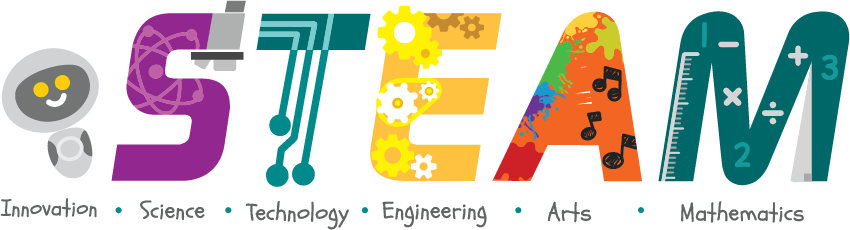
iSTEAM stands for innovation, Science, Technology, Engineering, Arts, and Mathematics. The term STEAM originated in the United States; iSTEAM is the Cambridge Pre-schools’ version of STEAM where the important component of innovation is added.
Our unique iSTEAM curriculum makes advanced concepts simple enough for your pre-school children to understand, grasp, and develop. Here are some examples:
Extracting DNA
We introduce DNA as the building blocks of life by comparing it to the popular Lego toy. We explain that DNA functions similarly to the instruction manual found inside a Lego set. Just as various manuals provide the steps to construct different models—be it a dinosaur or a superhero—different sequences of DNA serve as blueprints for creating diverse forms of life. This analogy offers a straightforward way for your child to begin comprehending the role of DNA.
At Cambridge, children conduct a hands-on experiment using kitchen chemicals to extract DNA from a tomato. In the process, they begin to gain simple insight into DNA, understanding that if we change some parts of DNA, we can create different living things or cure certain diseases. This simply put, is the essence of genetic engineering and personalised medicine, both of which expected to impact the way we treat many diseases in your child’s lifetime. Maybe your child will be the one to discover how.
Building the Strongest Bridge
How would you use a single piece of paper to build a strong bridge that can withstand the weight of a toy car? At Cambridge, our teachers will guide children to experiment and discover that folding the piece of paper into a corrugated sheet will be the successful solution, illustrating why cardboard boxes have corrugated walls. Children learn how structures can influence the properties of materials.
Building an Earthquake-proof Building
Is it possible to earthquake-proof a tall building? Your child will discover through experiments that adding a damper to the building can make all the difference.
Would you have enjoyed science and technology better if you were taught this way?
There are other STEAM or STEM curricula out there, but not all are created equal. The key is whether it can help your child understand the essence of each concept. This understanding helps your child to develop a science and tech instinct. With instinct, your child can eventually connect the dots (as Steve Jobs likes to say) and innovate new inventions.
Even though I was not trained in AI, because of my science and tech background, I was able to learn AI and deep learning during COVID and then apply them to develop AI products for education. We do not know what new technologies will emerge tomorrow; having a strong foundation in tech will help your child be better prepared for this unknown future.
Practise EQ and EF Through iSTEAM Project
In addition to nurturing EQ and developing EF, we also integrate these concepts into our iSTEAM projects. All serve as a conduit for learning these fundamental human skills. Most importantly, these projects expose children to the realities of both failure and success and foster resilience, adaptability, creativity, perseverance, and the entrepreneurship spirit of trial and error. In the process, they practise and improve their human touch. These are all important people and future skills not easily replaceable by robots and AI.
Direct School Admission (DSA)
Our iSTEAM curriculum cultivates your child’s tech mindset leading to tech intuition. This prepares your child to be a tech entrepreneur or gives your child an advantage in Direct School Admission (DSA) later.
Coding and Robotics
Coding and robotics are complementary to our iSTEAM curriculum.
To ensure our children’s coding competency, all our K2 children will participate in the coding certification assessment conducted by the Science Centre.
Coding Certification
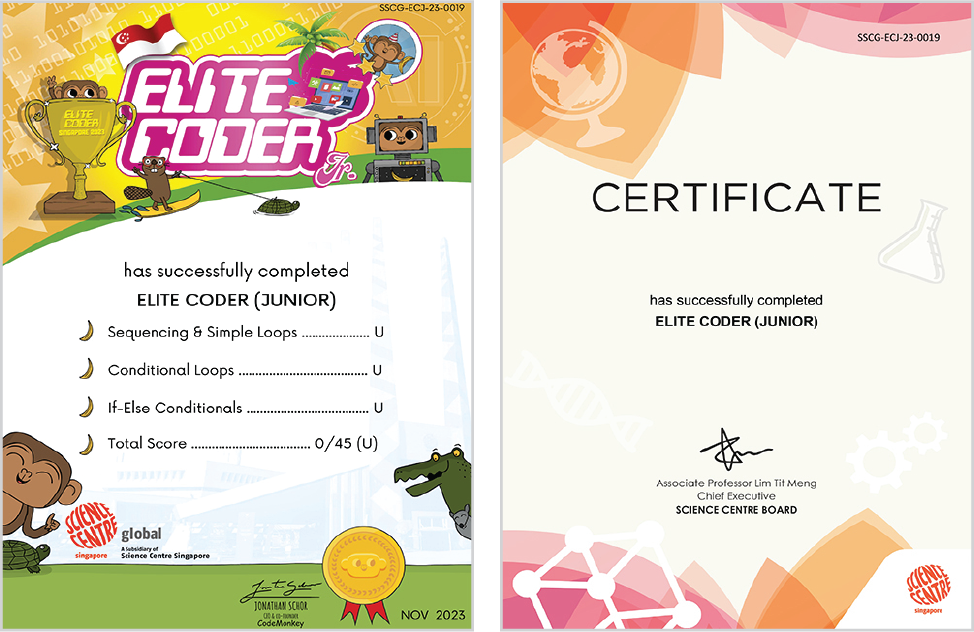
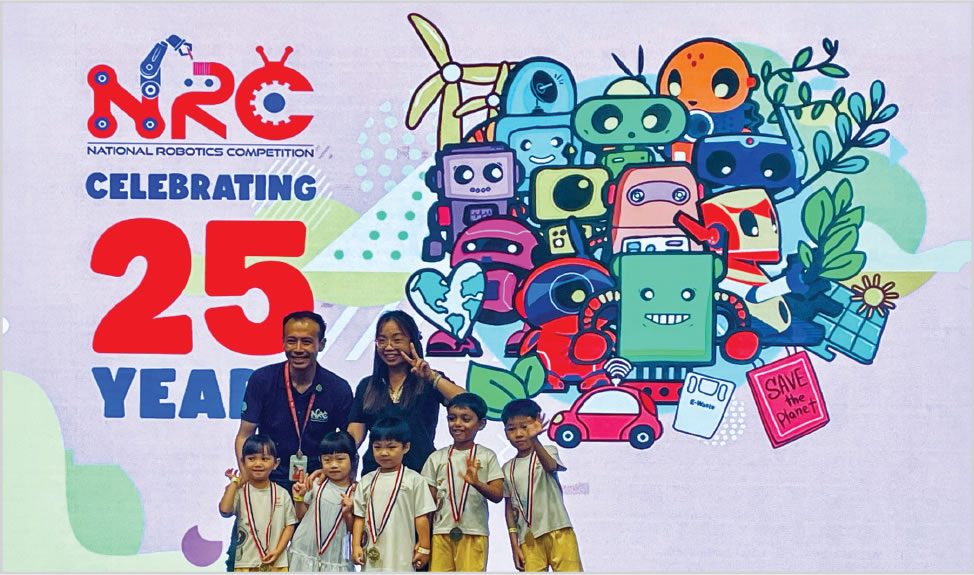
Our Cambridge teams also participate in the annual National Robotics Competition (NRC) organised by the Singapore Science Centre. In the most recent 2023 NRC, our Cambridge team won one of the awards.
Entrepreneurship
Entrepreneurship is now a more accepted career path. In fact, eight out of the top ten billionaires in the world are tech founders. Is entrepreneurship nature or nurture? From my own experience, it is both.
I never dreamt of becoming an entrepreneur. It was only during my Silicon Valley years that I was exposed to it and was “bitten by the entrepreneurial bug” as they call it. In my case, it was the naivety of not realising how much hard work is involved fueled by the excitement of a startup that propelled me to do it. The rest is just on-the-job learning.
Entrepreneurship is partly nature as I now realise that guts, tenacity, and perseverance are perhaps the most important ingredients of an entrepreneur. You need guts to stomach the unknowns. You need tenacity and perseverance to deal with the many failures along the way.
Entrepreneurship is partly nurtured as there are processes that can be taught and learnt. A well-known process is design thinking from Stanford University.
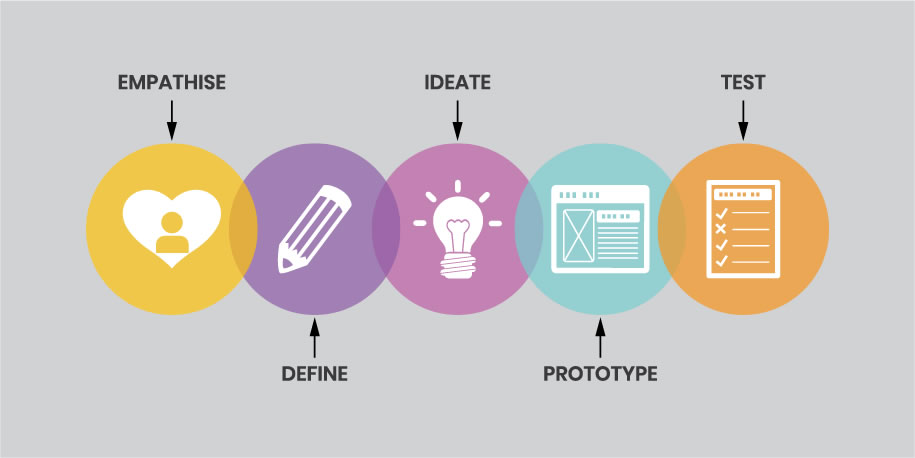
At Cambridge, we promote entrepreneurship through Design Thinking and Projects.
Teaching entrepreneurship to pre-schoolers may not seem conventional but it goes beyond just preparing them to start their own businesses. It equips them with valuable skills, mindset and attitudes that will serve them well throughout their lives, fostering independence, creativity, resilience and a proactive approach to pursuing their goals.
We introduce concepts through the basic principles of design thinking, which is a human-centred approach to innovation. Through a simplified framework tailored to their developmental stage, the children learn to empathise with others, define problems, ideate solutions, prototype ideas and test their creations. In doing so, we empower them to become creative problem-solvers, innovators and changemakers in our rapidly evolving world.
By identifying problems, brainstorming solutions and testing prototypes, the children learn to approach challenges with creativity, critical thinking and collaboration. They are encouraged to explore, experiment and unleash their creativity through open-ended projects. Whether it’s designing a new toy or creating a solution to reduce waste, the children engage in meaningful hands-on activities that ignite their passion for innovation.
We encourage them to think outside the box and embrace unconventional ideas, fostering traits such as curiosity, resilience, resourcefulness and adaptability. Through these age-appropriate exercises, they also learn to embrace challenges as opportunities, persevere in the face of setbacks, and turn their ideas into action.
We celebrate every child’s achievements and encourage a growth mindset where mistakes are viewed as opportunities for learning and growth. Whether it’s presenting their ideas to peers, showcasing their prototypes or reflecting on their experiences, children gain confidence in their abilities and develop a sense of pride in their accomplishments.
Value of the Dream Outcome
All credible pre-schools should prepare children well for the ABCs of early childhood education. At Cambridge, we believe that in this rapidly changing world, the basic ABCs are insufficient to prepare them for their future.
Because of the way the brain works, it is essential to start early to take full advantage of the sensitivity periods.
AI will exceed human capabilities in many cognitive areas and will become an indispensable tool for all professionals such as doctors, lawyers, and entrepreneurs. However, no AI can replace the human touch and people skills, which will be at a premium.
Therefore, our approach is four-pronged to deliver the dream outcome for your child:
While no one can predict the future, we can work together to Open Future Doors of Opportunities for Your Child both professionally and academically.
I am using my life experience to educate and prepare my children for their future. If you agree with our approach, then let us join hands. Together, let us achieve the dream outcome. The sooner your child starts, the better the outcome. Its value to your child’s future is priceless!