
The first day of pre-school is a major milestone for both children and parents. It marks the beginning of a new routine, a new environment and a new level of independence. For many families, it also comes with a mix of anticipation, pride and understandable nerves. Children may feel excited about new toys, new teachers, and new friends, while also feeling unsure about separating from home and stepping into unfamiliar surroundings.
That is why preparation matters. A positive start helps children feel secure, capable and ready to take part in the life of the classroom. It also gives parents greater peace of mind. When children know what to expect and feel supported through the transition, they are more likely to settle well and begin their pre-school journey with confidence.
Here are five meaningful ways to prepare your child for their first day of pre-school.
1. Help Your Child Become Familiar with the School Environment
Children feel more confident when a place no longer feels unknown. Before the first day, introduce your child to the pre-school environment as much as possible. Visit the school, walk through the entrance, point out the classroom, and let your child see where they will keep their bag, eat their snacks, and spend their day. A simple visit can make the space feel far more manageable.
You can also begin talking about school in a warm and reassuring way at home. Describe what the day may include, such as arriving in the morning, greeting teachers, joining class activities, having snack time, playing, and coming home afterwards. These details help your child picture the flow of the day and reduce uncertainty.
Books, pretend play, and simple conversations are also helpful. You might play “school” together at home and practice arriving, sitting in class, packing up, and saying goodbye. These moments build familiarity in a gentle, child-friendly way and make the real experience feel more recognizable.
2. Prepare Your Child Emotionally for Separation and Change
Starting pre-school often brings strong emotions. Some children show excitement openly. Others become quiet, clingy, or tearful as the first day approaches. Emotional preparation gives children the language and reassurance they need to handle this transition.
Speak openly about feelings and let your child know it is okay to feel a little nervous. When a child says they do not want you to leave, respond with calm confidence. Acknowledge the feeling, reassure them that they are safe and remind them that you will come back. Children feel steadier when parents respond with clarity and warmth.
It also helps to describe the role of the teacher in a positive way. Let your child know the teacher will help them, guide them and care for them throughout the day. That builds trust before the relationship even begins.
3. Practice Independence Through Everyday Routines
A child’s confidence grows when they can do simple things for themselves. The first day of pre-school includes many practical tasks like, carrying a bag, taking off shoes, washing hands, opening containers, tidying up and following simple routines. Children feel more secure when these small daily actions are already familiar.
In the weeks leading up to school, create opportunities for your child to practice these tasks at home. Encourage them to put on their own shoes, manage a water bottle, pack familiar items and tidy up after play. Allow enough time for them to try independently. Repetition builds both skill and a “I can do it” confidence.
This is one of the reasons independence deserves serious attention in early childhood education. At Cambridge Pre-school, Self-Help Skills are treated as a clear part of a child’s development. Children are guided in routines related to self-care, manners and care of the environment. Our approach helps children become more capable in daily life and more assured in a classroom setting. For parents, this has real value. A child who feels competent in small tasks often enters school with greater calm and a stronger sense of readiness.
4. Start the School Routine Before the First Day
A familiar routine helps children feel steady. Before pre-school begins, start adjusting your child’s day to match the school schedule. Set consistent wake-up times, mealtimes, bath times and bedtimes. This helps your child’s body and mind settle into the rhythm they will soon follow each day.
Morning routines are especially important. Practice getting dressed, having breakfast, packing up, and leaving the house at a calm pace. These small habits reduce stress on the actual first day and create a sense of predictability.
Your goodbye routine also deserves preparation. Keep it short, warm and consistent. A hug, a smile, a reassuring phrase and a clear goodbye give your child a stable pattern they can trust. Children feel more secure when adults communicate confidence at drop-off.
After school, make time to reconnect. Listen closely, stay calm and let your child process the day in their own way. Some children speak immediately. Others need time. Your steady presence helps them feel safe enough to return the next day with growing confidence.
5. Choose a Pre-school With a Strong Learning Philosophy
Preparation at home is most effective when it is matched by a school environment with a clear educational purpose. A child’s first day is shaped by the classroom’s atmosphere, the way learning comes to life, and the small moments that help confidence grow naturally. A strong pre-school philosophy creates the conditions for children to feel secure, curious and ready to engage. It turns the first school experience into the beginning of genuine growth.
This becomes especially important in the early years, when children learn best through direct experience. A child who is invited to build, observe, ask questions, and test ideas is learning to trust their own thinking, express curiosity, and take part in class activities. That kind of experience helps school feel rewarding from the start.
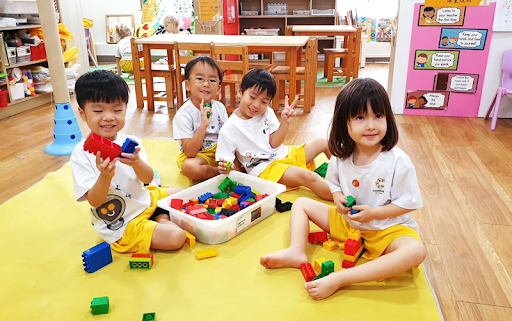
This is reflected in our iSTEAM curriculum, where learning is active, hands-on, and rooted in exploration. A simple activity such as building a bridge with blocks becomes more than play. It encourages children to solve problems, test balance, explore cause and effect, and work through ideas with purpose. This gives learning depth, strengthens confidence, and helps children begin school with a stronger sense of engagement and capability.
Final Thoughts
Preparing your child for their first day of pre-school begins with familiarity, emotional reassurance, independence, routine, and the right learning environment. Each of these steps helps children feel safe, capable and ready to begin this important new chapter with confidence.
At Cambridge Pre-school, we understand that a strong start shapes the way children feel about learning, relationships, and themselves. Our programmes are designed to nurture the whole child with purpose, depth and care. If you want your child to begin pre-school in an environment that develops character, independence, and future-ready skills, contact us and book a school tour today.