
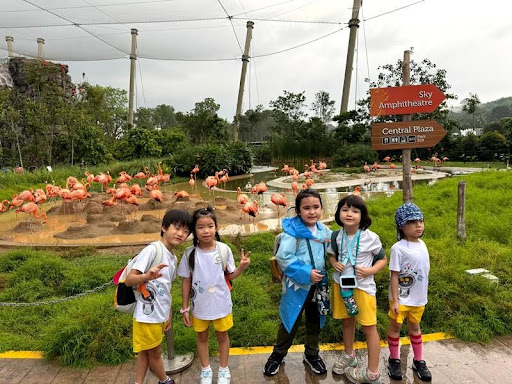
Independence does not appear overnight in young children. It develops gradually through everyday experiences, whether it is something as simple as putting away toys, choosing an activity, or figuring out how a puzzle piece fits.
At Cambridge Pre-school, we intentionally create opportunities for children to help them unlock essential skills while learning to make decisions independently.
And parents can reinforce these habits at home through simple activities that mirror the independence children practise in the classroom. To help here are 12 pre-school learning activities that foster independence while strengthening cognitive, social and emotional development.
Self-Help and Daily Living Skills
Many of the earliest opportunities for independence come through daily routines. Tasks such as dressing, eating and tidying up allow children to practise responsibility. They can also help nurture other skills such as coordination and self-confidence.
In our pre-school curriculum, these practical life skills are naturally woven into the daily routine and many of these same routines can also be practised at home. The activities below highlight simple ways children can practise independence through everyday self-help and daily living tasks.
1. Dressing Independently
Allowing children to choose their own clothes or practise fastening buttons and zippers helps them acquire both coordination and decision-making skills. Parents can introduce this by offering simple choices such as selecting between two outfits or practising putting on their own shoes and jackets. These moments, though simple, can help children feel capable and independent.
2. Personal Hygiene
Personal hygiene routines such as hand washing, tooth brushing and tidying up after meals, while developing healthy habits, can also reinforce independence. Parents can guide children through these routines until they become familiar with the process.
3. Self-Feeding and Meal Preparation
Snack time can also become a valuable learning opportunity. Pouring water into cups, scooping food or helping set the table can be a fun way of letting children take ownership of simple responsibilities.These experiences help them see that they are capable contributors to their shared environment.
4. Household Chores
Simple chores such as sweeping, organising toys or helping water plants introduce children to responsibility in a positive way. When children help care for their surroundings, they begin to understand that their actions matter.
For example, at Cambridge Pre-School, we often involve children in small classroom responsibilities such as tidying activity areas or returning materials. These tasks motivate children to take pride in their environment while instilling a sense of responsibility.
Organisation and Structure
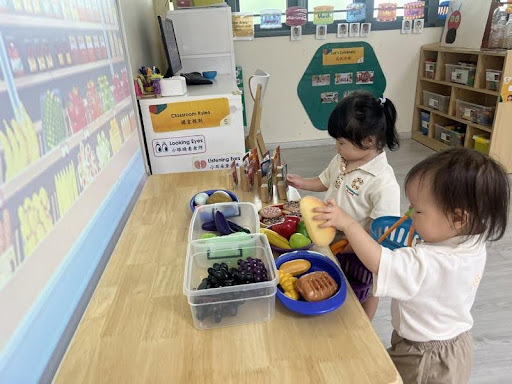
A well-organised environment can greatly support a child’s independence. When materials are easy to access and routines are predictable, children feel more confident navigating their surroundings and managing their belongings. Both at home and in the classroom, clear systems for organisation help children develop responsibility and self-management from an early age. The following ideas show how simple organisational strategies can motivate children to take ownership of their spaces and routines.
5. Accessible Storage
Low shelves, labelled bins and clearly organised materials, besides keeping spaces neat and tidy, are an effective way to allow children to retrieve and return items independently. When children know where things belong, they become more adept at managing their own belongings. You can adopt similar systems at home by organising toys, books and art supplies in accessible spaces.
6. Clean-Up Routines
Tidying up after activities teaches children that every task has a beginning and an end. Making clean-up part of a routine fosters responsibility and respect for shared spaces. Parents can reinforce this habit at home by turning clean-up into a fun routine through songs, timers or simple challenges.
Cognitive and Decision-Making Activities
Independence can also be learnt through activities that promote thinking and decision-making. When children are allowed to explore materials, make choices and pursue their interests, they begin developing confidence in their own judgement.
Play-based learning environments in Cambridge Pre-school classrooms are designed to support this type of exploration, allowing children to make decisions while receiving gentle guidance from teachers. You can use the activities below to teach children at home how to think independently while also strengthening their cognitive skills.
7. Sorting Games
Sorting activities using coloured blocks, household objects or natural items help children practise categorisation and decision-making. As they decide how objects should be grouped, they strengthen observation and logical thinking. These simple activities encourage children to trust their reasoning while building important cognitive skills.
8. Purposeful Play
At Cambridge Pre-school, for example, we often prepare exploration stations where children can investigate materials independently while still receiving guidance when needed. At home, purposeful play can involve hands-on exploration with sensory materials such as sand, water or textured objects. Tools like scoops, tweezers or containers allow children to experiment with movement, sorting and problem-solving.
9. Interest-Based Projects
Allowing children to choose projects based on their interests encourages self-direction and motivation. Whether they are painting, building structures, or creating imaginative stories, these activities help children take ownership of their learning. When children feel their interests are valued, they are more likely to approach new challenges with a sense of newfound readiness.
Encouraging Problem-Solving
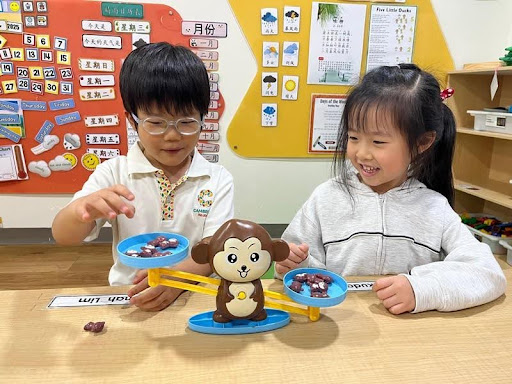
A key part of independence is learning how to approach challenges. When children are encouraged to solve small problems on their own, positive traits such as resilience and persistence get reinforced.
Good pre-school environments allow children time to experiment but you can also try different solutions to help children build these problem-solving skills at home.
10. Let Them Try
Adults often feel tempted to solve problems quickly for children. However, allowing them time to attempt a solution helps build patience and determination. Offer encouragement rather than immediate answers and allow them to experience the satisfaction of solving problems independently.
11. Simple Puzzles
Puzzles are a classic activity that encourages independent thinking. Children practise recognising patterns, rotating pieces and testing possibilities until the pieces fit. Each completed puzzle strengthens a child’s sense of accomplishment and motivates them to keep trying when faced with challenges.
12. Trial and Error Games
Trial-and-error activities allow children to test ideas and adjust their approach. For example, children may experiment with different surfaces when racing toy cars or try various building techniques when stacking blocks.
Through these experiences, children learn that mistakes are simply part of the learning process. This mindset builds resilience and strengthens their ability to take on everyday challenges.
The Value of Independence in Early Childhood
When children are given opportunities to practise independence in safe and supportive environments, they begin to trust their abilities and develop confidence in their choices. These skills influence how they approach learning, relationships and everyday responsibilities as they grow.
At Cambridge Pre-school, independence is nurtured through carefully designed routines, play-based learning experiences and thoughtful guidance from experienced educators. These daily opportunities inspire children to take initiative while learning to navigate challenges in a supportive environment. Book a visit to your nearest Cambridge Pre-school to learn how our programmes instill independence, curiosity and confidence in young learners.