
Chapter 5
My Story Continues
I had the opportunity to work in Silicon Valley, the high-tech mecca. I worked at both a startup and also for a corporate venture capital firm. I saw both failures and successes on the Nasdaq. Here are a few valuable lessons I learnt:
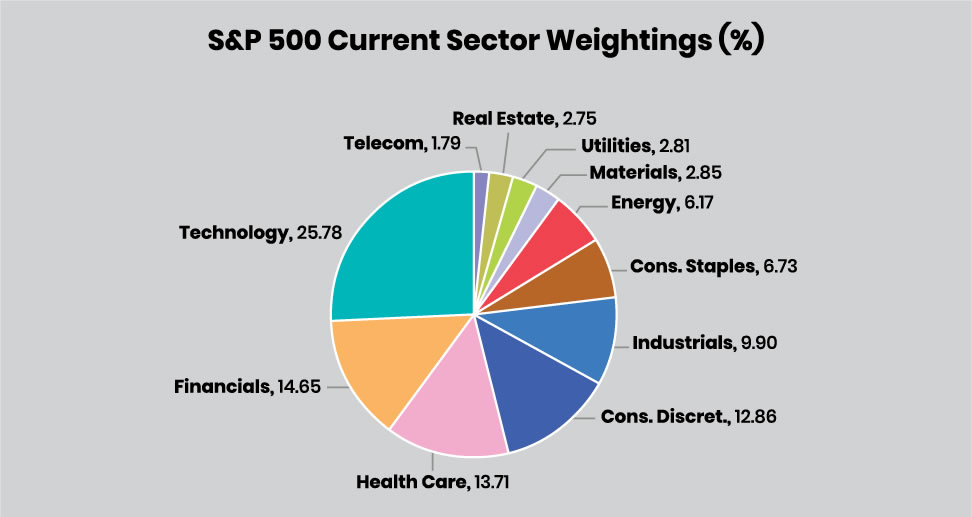
For one, I realised how important tech is. The S&P 500 currently allocates 25.78% of its weight to tech stocks, more than financial services, health care, and any other sector. In fact, today, all businesses are technology-dependent. We simply cannot ignore tech. Eight out of the top ten billionaires in the world are tech founders. These percentages will only increase in the future.
I studied, lived, and worked in the U.S. for 14 years, and I still visit every year. I have seen the decline of America. However, it is still the number one economy despite all its problems because it is leading the world in tech and innovation. If tech and innovation are so important for the number one economy, it cannot be less important for your child and your child’s future.
Another thing that struck me is the importance of early exposure to tech. Bill Gates, Steve Jobs, Elon Musk, Sam Altman, and many successful tech entrepreneurs had early exposure to technology.
Because of synaptic pruning, exposing your child early to tech gives your child many advantages. Do you want to keep the option open for your child to build the next tech unicorn?
Even if you do not agree that technology is that important, the reality is that science is the fourth major subject in primary school alongside English, Mother Tongue, and Maths. Its importance cannot be ignored. In fact, your child can gain direct admission to a secondary school independent of his or her PSLE score if he or she excels in science, mathematics, or engineering, the STEAM subjects.
However, it’s important to note that it’s not just a matter of early exposure to science and tech that will make a difference to your child, it must be the right type of exposure.
Some of us may not have been personally interested in science. Others may have simply found the subject boring due to poor teaching, textbooks, and classroom experiences.
Richard Feynman, the renowned Nobel Prize physicist and recognised great teacher, is often quoted as saying, “If you can’t explain it to a six-year-old, you don’t really understand it yourself.” If you really understand something well, no matter how complicated it is, you can probably explain it simply.
I observed this firsthand with Professor Nicholas Bloembergen, my Ph,D. thesis advisor and the 1981 Nobel Laureate. He taught me that before we embark on complicated calculations, we should first use simple maths and logic to estimate whether we are in the right ballpark. This forces us to pinpoint the essence of the issue and develop an instinct for solving the complex problem.
I have dedicated myself to education because I believe that I am gifted in explaining difficult concepts simply. You can see some examples of this in the iSTEAM section below and judge for yourself. As a side note, Professor Howard Garder has since added another intelligence to his
Theory of Multiple Intelligences. It is pedagogical intelligence: the ability to teach and explain complicated knowledge simply. I think this is one of my strengths.
Our Cambridge iSTEAM curriculum is designed to teach important concepts simply, enabling them to reach “Ah ha!” moments ignite interest in science and tech, which will benefit them academically and professionally.
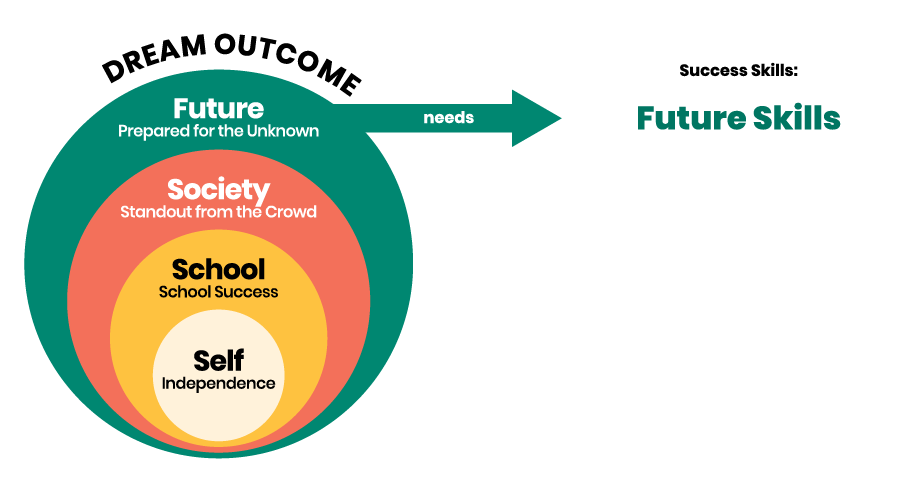
What are Future Skills?
Even though your child is only at pre-school age, your decision today may have long-term implications for both his or her future schooling and career.
Future Professional Success
Many parents would like their children to be professionals or tech entrepreneurs. Because of the rapid advances in technology, in particular the development of AI, these careers will be radically transformed. Understanding how they will be transformed is key to preparing children for future opportunities. Two significant examples illustrate the evolving role of technology in various fields.
Tech Entrepreneurship
All industries and jobs are tech-dependent. Eight out of the top ten billionaires in the world are tech entrepreneurs. Would you like to give your child the possibility to start the next tech unicorn?
Bill Gates, Steve Jobs, Elon Musk, Sam Altman, and many successful tech entrepreneurs had early exposure to technology. Because of synaptic pruning, an early start gave them a distinct advantage.
However, as I have mentioned from my own experience, technology alone is not sufficient, it must be combined with human ingenuity, leadership, and people skills to create the next tech giant. To be successful, technology must be combined with human touch.
Medicine
In the field of medicine, AI is becoming an essential tool for precise diagnostics, enhancing healthcare outcomes. Nevertheless, the indispensable human touch, encompassing empathy, encouragement, and guiding patients through emotional and psychological challenges, remains irreplaceable. Medical professionals will increasingly focus on building patient relationships and providing emotional support, preserving the human dimension of healthcare.
While technology can diagnose better than humans, doctors with bedside manners to empathise, comfort, and encourage patients and their families will be highly sought after.
So in the future, all professions must embrace technology, and at the same time be more human to stand out from AI. We have already covered the people skills part in Chapter 4, let us now embrace technology.
iSTEAM
Some of you may have wondered why we need to expose pre-school children to technology so early, now you should know the answer. If you want your child to be a “native speaker” of technology, it is best to expose them early because of the sensitivity periods.
At Cambridge, we provide the environment and many opportunities for your child to cultivate a tech mindset through various experiences.
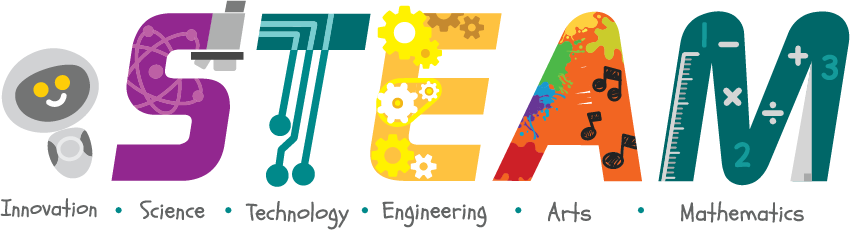
iSTEAM stands for innovation, Science, Technology, Engineering, Arts, and Mathematics. The term STEAM originated in the United States; iSTEAM is the Cambridge Pre-schools’ version of STEAM where the important component of innovation is added.
Our unique iSTEAM curriculum makes advanced concepts simple enough for your pre-school children to understand, grasp, and develop. Here are some examples:
Extracting DNA
We introduce DNA as the building blocks of life by comparing it to the popular Lego toy. We explain that DNA functions similarly to the instruction manual found inside a Lego set. Just as various manuals provide the steps to construct different models—be it a dinosaur or a superhero—different sequences of DNA serve as blueprints for creating diverse forms of life. This analogy offers a straightforward way for your child to begin comprehending the role of DNA.
At Cambridge, children conduct a hands-on experiment using kitchen chemicals to extract DNA from a tomato. In the process, they begin to gain simple insight into DNA, understanding that if we change some parts of DNA, we can create different living things or cure certain diseases. This simply put, is the essence of genetic engineering and personalised medicine, both of which expected to impact the way we treat many diseases in your child’s lifetime. Maybe your child will be the one to discover how.
Building the Strongest Bridge
How would you use a single piece of paper to build a strong bridge that can withstand the weight of a toy car? At Cambridge, our teachers will guide children to experiment and discover that folding the piece of paper into a corrugated sheet will be the successful solution, illustrating why cardboard boxes have corrugated walls. Children learn how structures can influence the properties of materials.
Building an Earthquake-proof Building
Is it possible to earthquake-proof a tall building? Your child will discover through experiments that adding a damper to the building can make all the difference.
Would you have enjoyed science and technology better if you were taught this way?
There are other STEAM or STEM curricula out there, but not all are created equal. The key is whether it can help your child understand the essence of each concept. This understanding helps your child to develop a science and tech instinct. With instinct, your child can eventually connect the dots (as Steve Jobs likes to say) and innovate new inventions.
Even though I was not trained in AI, because of my science and tech background, I was able to learn AI and deep learning during COVID and then apply them to develop AI products for education. We do not know what new technologies will emerge tomorrow; having a strong foundation in tech will help your child be better prepared for this unknown future.
Practise EQ and EF Through iSTEAM Project
In addition to nurturing EQ and developing EF, we also integrate these concepts into our iSTEAM projects. All serve as a conduit for learning these fundamental human skills. Most importantly, these projects expose children to the realities of both failure and success and foster resilience, adaptability, creativity, perseverance, and the entrepreneurship spirit of trial and error. In the process, they practise and improve their human touch. These are all important people and future skills not easily replaceable by robots and AI.
Direct School Admission (DSA)
Our iSTEAM curriculum cultivates your child’s tech mindset leading to tech intuition. This prepares your child to be a tech entrepreneur or gives your child an advantage in Direct School Admission (DSA) later.
Coding and Robotics
Coding and robotics are complementary to our iSTEAM curriculum.
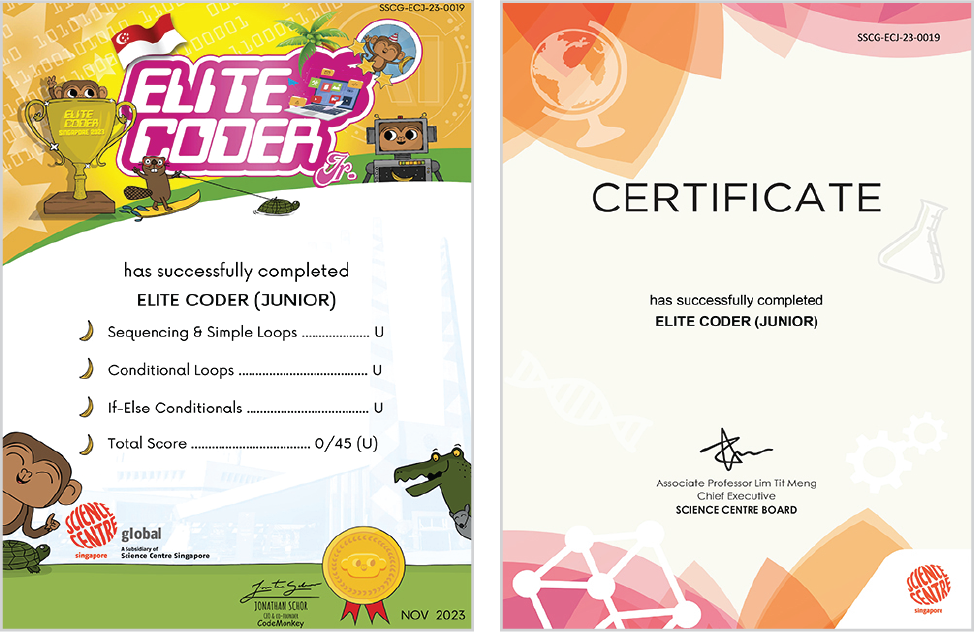
To ensure our children’s coding competency, all our K2 children will participate in the coding certification assessment conducted by the Science Centre.
Coding Certification
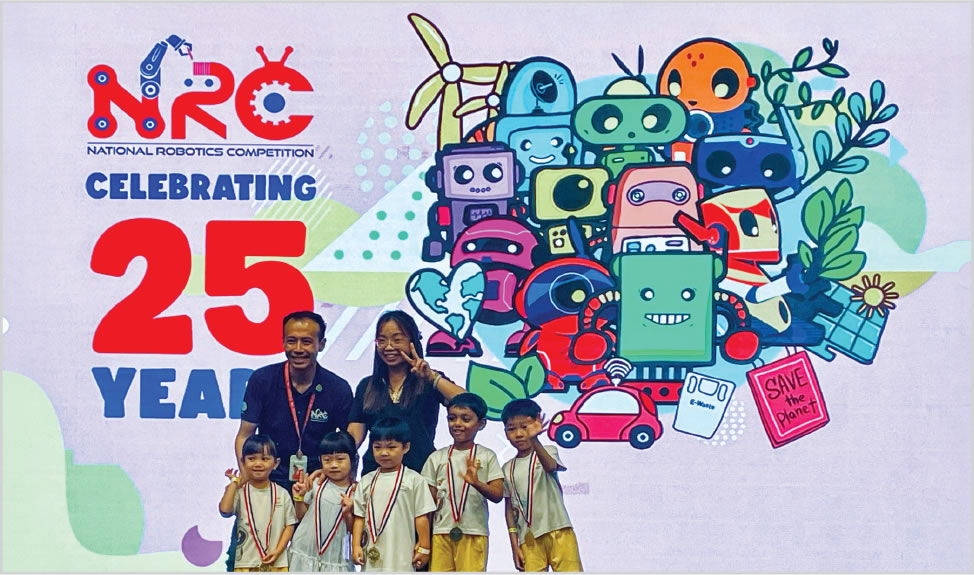
Our Cambridge teams also participate in the annual National Robotics Competition (NRC) organised by the Singapore Science Centre. In the most recent 2023 NRC, our Cambridge team won one of the awards.
Entrepreneurship
Entrepreneurship is now a more accepted career path. In fact, eight out of the top ten billionaires in the world are tech founders. Is entrepreneurship nature or nurture? From my own experience, it is both.
I never dreamt of becoming an entrepreneur. It was only during my Silicon Valley years that I was exposed to it and was “bitten by the entrepreneurial bug” as they call it. In my case, it was the naivety of not realising how much hard work is involved fueled by the excitement of a startup that propelled me to do it. The rest is just on-the-job learning.
Entrepreneurship is partly nature as I now realise that guts, tenacity, and perseverance are perhaps the most important ingredients of an entrepreneur. You need guts to stomach the unknowns. You need tenacity and perseverance to deal with the many failures along the way.
Entrepreneurship is partly nurtured as there are processes that can be taught and learnt. A well-known process is design thinking from Stanford University.
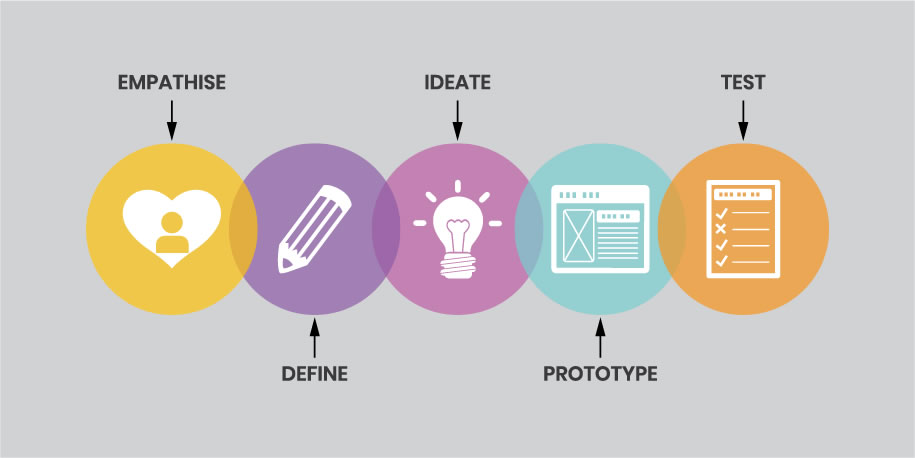
At Cambridge, we promote entrepreneurship through Design Thinking and Projects.
Teaching entrepreneurship to pre-schoolers may not seem conventional but it goes beyond just preparing them to start their own businesses. It equips them with valuable skills, mindset and attitudes that will serve them well throughout their lives, fostering independence, creativity, resilience and a proactive approach to pursuing their goals.
We introduce concepts through the basic principles of design thinking, which is a human-centred approach to innovation. Through a simplified framework tailored to their developmental stage, the children learn to empathise with others, define problems, ideate solutions, prototype ideas and test their creations. In doing so, we empower them to become creative problem-solvers, innovators and changemakers in our rapidly evolving world.
By identifying problems, brainstorming solutions and testing prototypes, the children learn to approach challenges with creativity, critical thinking and collaboration. They are encouraged to explore, experiment and unleash their creativity through open-ended projects. Whether it’s designing a new toy or creating a solution to reduce waste, the children engage in meaningful hands-on activities that ignite their passion for innovation.
We encourage them to think outside the box and embrace unconventional ideas, fostering traits such as curiosity, resilience, resourcefulness and adaptability. Through these age-appropriate exercises, they also learn to embrace challenges as opportunities, persevere in the face of setbacks, and turn their ideas into action.
We celebrate every child’s achievements and encourage a growth mindset where mistakes are viewed as opportunities for learning and growth. Whether it’s presenting their ideas to peers, showcasing their prototypes or reflecting on their experiences, children gain confidence in their abilities and develop a sense of pride in their accomplishments.
Reflections
- Considering the pervasive nature of technology in just about every profession, do you believe that being fluent in technology from a young age will provide your child with a significant advantage in the future?
- Would you like to foster the skills that may help your child identify and seize opportunities to become a pioneer in technology later in life, possibly even founding the next groundbreaking tech startup?