
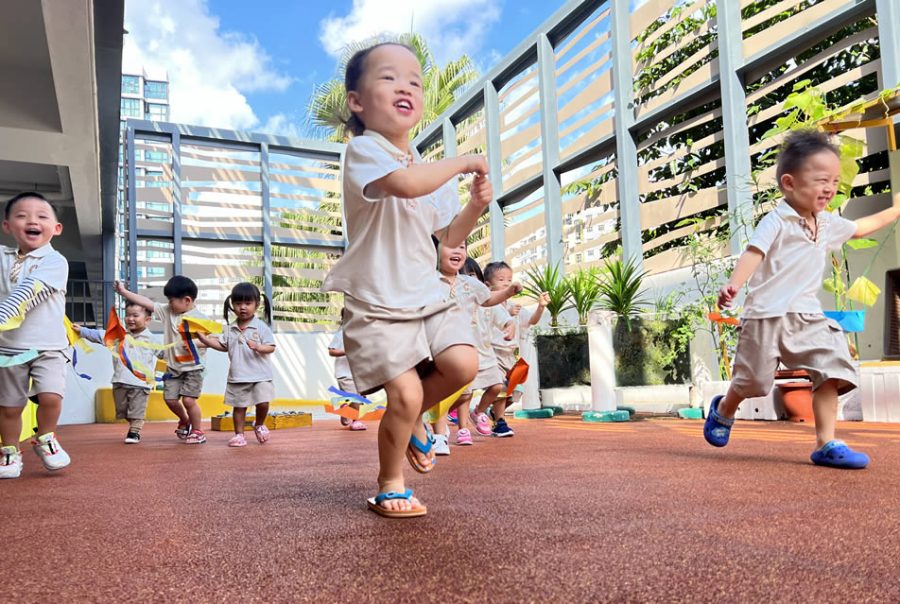
What is a Pre-school?
Pre-school is a broad term that refers to early learning environments designed to nurture young children (typically under the age of 7) through play, routines and exploration.
The Early Childhood Development Agency (ECDA), the body responsible for regulating the early childhood education in Singapore, outlines 4 main areas essential for holistic growth and development:
- Cognitive
- Communication and language
- Physical
- Social and Emotional
These areas are developed in different ways, depending on the curriculum. The biggest challenge for parents lies in recognising which approach best supports their child’s curiosity, confidence and natural way of learning.
The Science of Early Learning
From the moment a child arrives in the world, their brain is busy forming connections, through routines, play, and any interactions with the people they love.
According to the ECDA, brain development is at its most sensitive and rapid during the first few years of life. Further studies from the Center on the Developing Child at Harvard University note that responsive, reciprocal interactions with children—the hug when a child cries, the gestures, the eye contact when it babbles—stimulate brain development.
Because this period shapes so much of a child’s lifelong learning, the environments they encounter outside the home grow increasingly significant.
A thoughtfully designed pre-school setting extends these early experiences, offering richer social interactions, structured routines, and guided exploration that sparks curiosity, inspires questions and strengthens developing neural pathways.
What Makes the Cambridge Pre-School Curriculum Unique
While many schools subscribe strictly to one method, Cambridge Pre-school, to quote our founder, seeks to ensure children are well-prepared and confident in their abilities without feeling the pressure to always be the best in class.
This doesn’t mean academic learning is neglected, rather it’s an approach grounded in creating exciting and meaningful ways that boost confidence, build resilience, and respect each child’s pace.
The goal is to nurture children who are fascinated by the world, independent, and prepared for a future of unknowns, ready to be the next generation of future-makers.
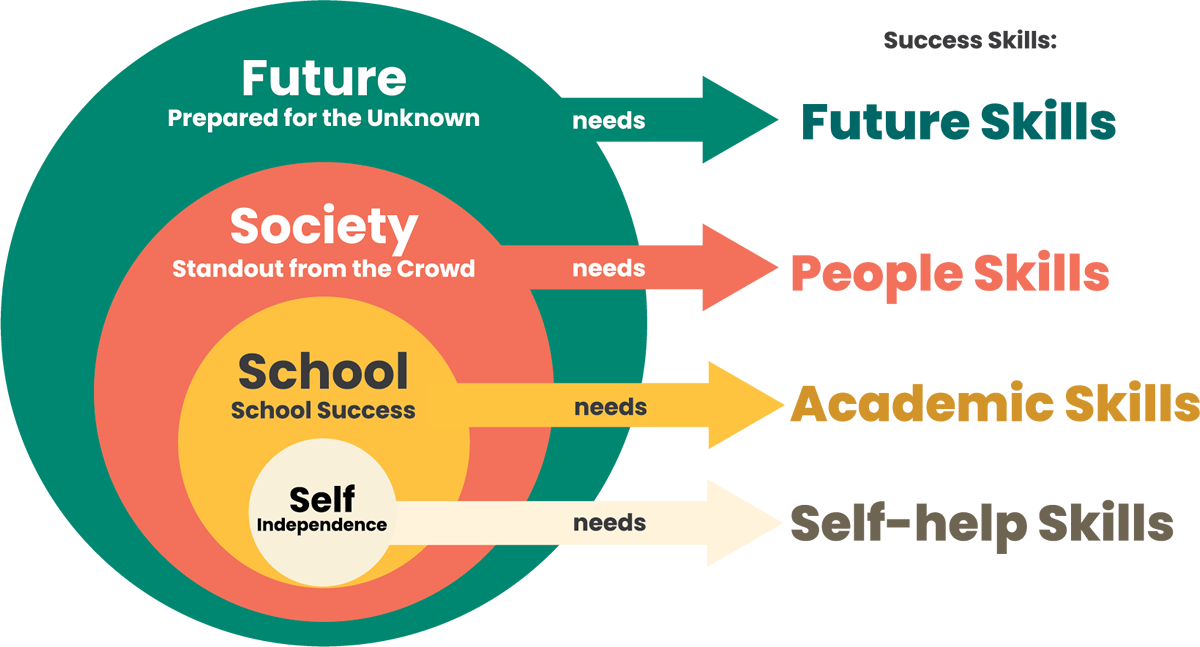
These priorities are reflected throughout our curriculum, which is built around four key domains:
- Self Help Skills to foster independence
- Academic Skills to inspire school success
- People Skills for differentiation and meaningful relationships
- Future Skills to empower children for an unpredictable world.
Drawing on modern research in neuroscience, educational pedagogy, and technology, this unique approach, is less of a one-size-fits-all and more of a synthesis of the best in education innovation, whether it’s inquiry-based learning, literacy or play-based learning.
Pre-School Age Groups and Levels
Pre-schools in Singapore typically provide different levels of care and education. Here’s a quick overview:
Infant Care (2–18 months)
Designed to support the earliest stage of growth, infant care focuses on secure relationships, sensory-rich play, and routines that help babies build trust and understanding. At Cambridge Pre-school, the Infant Care programme emphasises warm, responsive caregiving, and sensory experiences that light up young minds, creating an environment that nurtures early brain development and independence.
Childcare (18 months–6 years)
Childcare services combine care with a structured curriculum. Children engage in guided activities, exploration, and hands-on learning throughout the day. At Cambridge Pre-school, full-day and half-day childcare programmes include iSTEAM discovery, people-skills development, and AI-driven tools, all woven into a warm, family-like environment.
Nursery (N1–N2)
Nursery years emphasise exploration, foundational skill-building, and social development. Cambridge Pre-school’s nursery curriculum blends structured learning with play-based discovery, helping children form positive attitudes towards learning.
Kindergarten (K1–K2)
Kindergarten focuses more intentionally on academic readiness. Cambridge Pre-school’s K1 and K2 programmes integrate foundational skills with creative inquiry, to help children transition to Primary 1 with fascination, confidence and curiosity.
What Is the Best Time to Start Pre-school?
Most children in Singapore begin pre-school between 18 months and three years old, depending on the family’s needs and the child’s readiness. Some parents introduce their infants earlier for caregiving support, socialisation, and exposure to enriching environments.
What matters most is choosing a pre-school that supports your child’s pace, comfort, and developmental needs.
At Cambridge Pre-school, we welcome children from as young as two months, with programmes tailored to every age group’s milestones, whether its early independence or moulding pre-academic interest.
What to Consider When Choosing a Pre-school
1. Class Size
Smaller class sizes allow teachers to observe, support, and connect with each child more effectively. ECDA recommends the following teacher-to-child ratios: Playgroup (1:8), Pre-Nursery (1:12), Nursery (1:15), and Kindergarten (K1–K2, 1:20). At Cambridge Pre-School, our class sizes are kept smaller than these guidelines to allow teachers to observe, support, and connect with each child meaningfully.
2. Location
Convenience matters for families managing tight schedules. A nearby pre-school reduces travel stress and supports consistent routines. This is why Cambridge Pre-school has centres located across Singapore, bringing our warm community closer to you.
3. Environment & Facilities
A good pre-school feels warm, safe, and stimulating. Look for clean classrooms, child-friendly furniture, and materials that encourage exploration. From sensorial infant rooms to iSTEAM labs, Cambridge Pre-school facilities are designed to inspire wonder, while supporting different stages of learning.
4. Educational Philosophy
Every pre-school operates with a different vision. Choose one that aligns with your values and seeks to truly know and understand your child.
5. Daily Routine
Predictable routines help children feel secure, regulate emotions, and stay engaged. Balanced schedules also ensure children experience movement, rest, and joyful learning.
Final Thoughts
Choosing a pre-school is one of the first major educational decisions you will make for your child. It’s about finding a partner who understands the science of development, respects the individuality of your child, and turns learning into an adventure.
At Cambridge Pre-school, we’re committed to giving every child a strong start through research-informed teaching, nurturing environments, and programmes that help them build future-ready skills with joy and confidence.
Ready to give your child a head start? Book a school tour today.