
Growing Confidence, Curiosity and Early Thinking Skills
Home / Pre-School Levels / Nursery
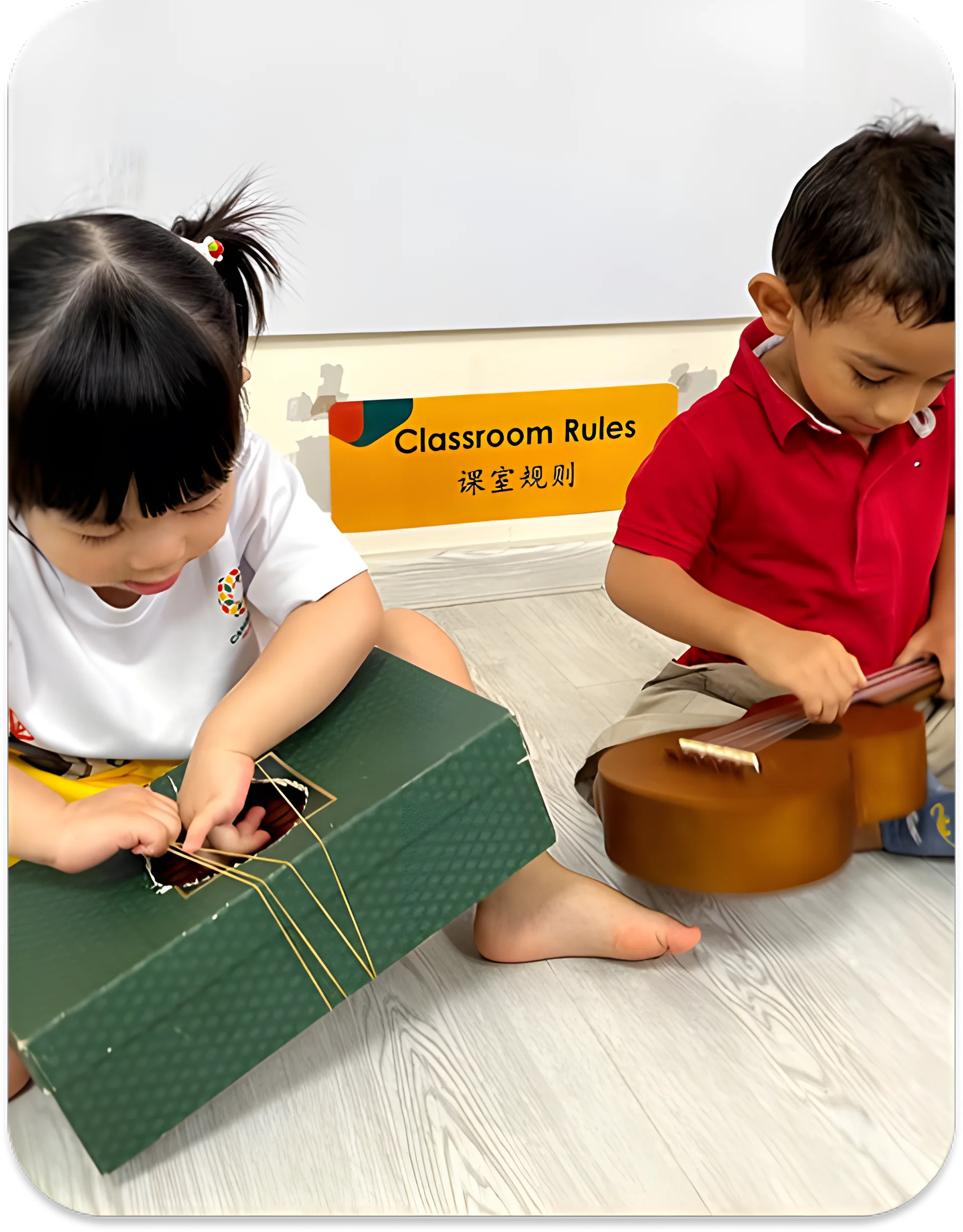
At ages three to four, children become more expressive, curious and socially aware. They begin to ask questions, share ideas, form friendships, and participate more confidently in group settings.
At Cambridge Pre-school, we support children through meaningful learning experiences that encourage communication, participation, problem-solving, and growing independence.
This stage lays important foundations for future learning while helping children develop greater self-assurance and a growing sense of responsibility for their own learning.
Children at this stage become increasingly willing to express their thoughts, ideas and emotions.
Through storytelling, discussions, role play, and collaborative activities, children are encouraged to:
• Speak in longer sentences
• Share ideas and experiences
• Participate in conversations and group discussions
These opportunities help children express themselves with increasing clarity and purpose.
Children are naturally curious about how things work.
Our educators create opportunities for children to observe, explore, ask questions and make connections through hands-on experiences.
Children engage in activities that encourage them to:
This helps children become thoughtful and active learners.
As children spend more time interacting with peers, they begin developing stronger social awareness and collaboration skills.
Children learn to:
These experiences support both emotional development and communication skills.
At this stage, children become more capable of managing classroom expectations and contributing to the group. They are encouraged to organise their belongings, complete simple responsibilities, make appropriate choices and follow multi-step routines with less adult guidance.
As they become more independent, children also begin taking ownership of their learning by following through on tasks, helping their peers and contributing positively to the classroom community.
Through these everyday experiences, children learn that their actions affect both themselves and others. This strengthens responsibility, self-management and readiness for the more structured expectations of Kindergarten.
Children are introduced to early literacy and numeracy concepts through engaging and meaningful experiences.
They develop:
Learning is designed to be enjoyable and purposeful, helping children become enthusiastic learners who enjoy discovering new ideas.
By the end of Nursery, children are typically:
These experiences lay the foundation for continued growth as children progress into our Kindergarten programme.
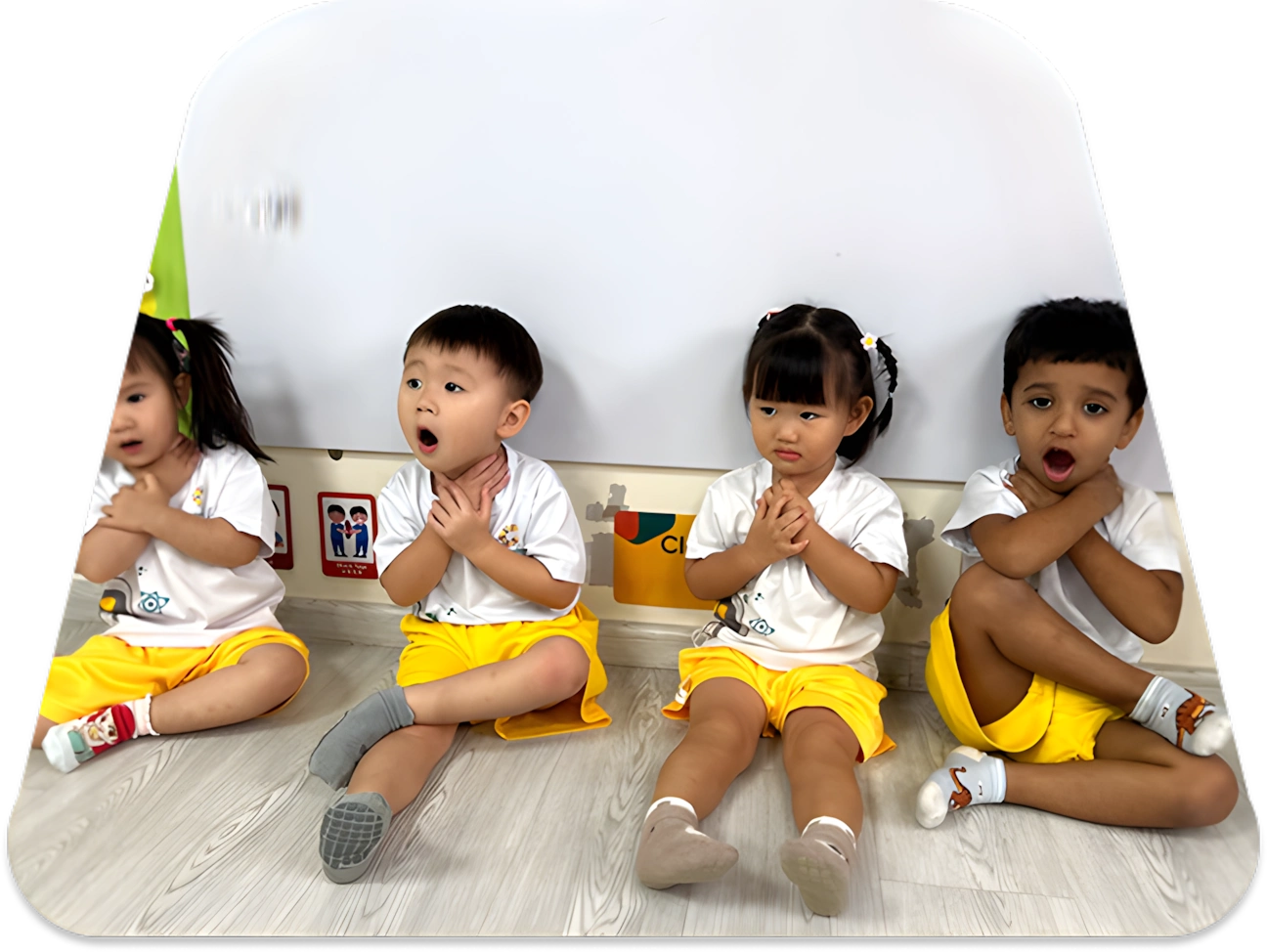

As children become more active learners, the right environment makes all the difference. A centre visit allows you to see how our educators nurture curiosity, communication and early inquiry while preparing children for the next stage of learning.
Book a personalised school tour to explore our learning environment, meet our educators and discover how Cambridge Pre-school can support your child’s development at every stage of their early learning journey.
Yes. Many children enter Nursery feeling shy or reserved. Our teachers provide a warm and supportive environment that helps children feel safe and gradually build confidence. Over time, most children become more comfortable expressing themselves and interacting with others.
Separation anxiety is common at this age. We support children (and parents) through gentle transitions, consistent routines and close communication with parents. Our teachers work patiently with each child to help them feel secure and settled.
No. At this stage, learning is introduced in an engaging and age-appropriate way. Children learn through activities, exploration and play, which helps them develop interest and confidence without pressure.
Every child develops at their own pace but parents often notice improvements in:
Our teachers observe each child closely and adjust activities to suit their pace and needs. Children are guided and supported individually, ensuring they feel encouraged and not overwhelmed.
Children are guided through daily routines such as tidying up, managing their belongings and following simple instructions. These small but consistent experiences help them build independence naturally.
Children are introduced to early literacy skills such as recognising sounds, letters and storytelling. Writing begins through drawing and mark-making. The focus is on building strong foundations rather than formal instruction.
We create a language-rich environment through conversations, storytelling, songs, and group activities. Children are encouraged to express themselves in a supportive setting, helping them build confidence over time.
A typical day includes a balance of:
This structure helps children feel secure while keeping them engaged.
We maintain open communication so parents feel informed and reassured.
Parents receive regular updates on their child’s daily experiences and development through our parents’ communication app. We also encourage parental involvement by offering opportunities to volunteer and participate in school activities, helping parents stay actively engaged in their child’s learning journey.